tikshnaksha :
Use in other system of medicine:
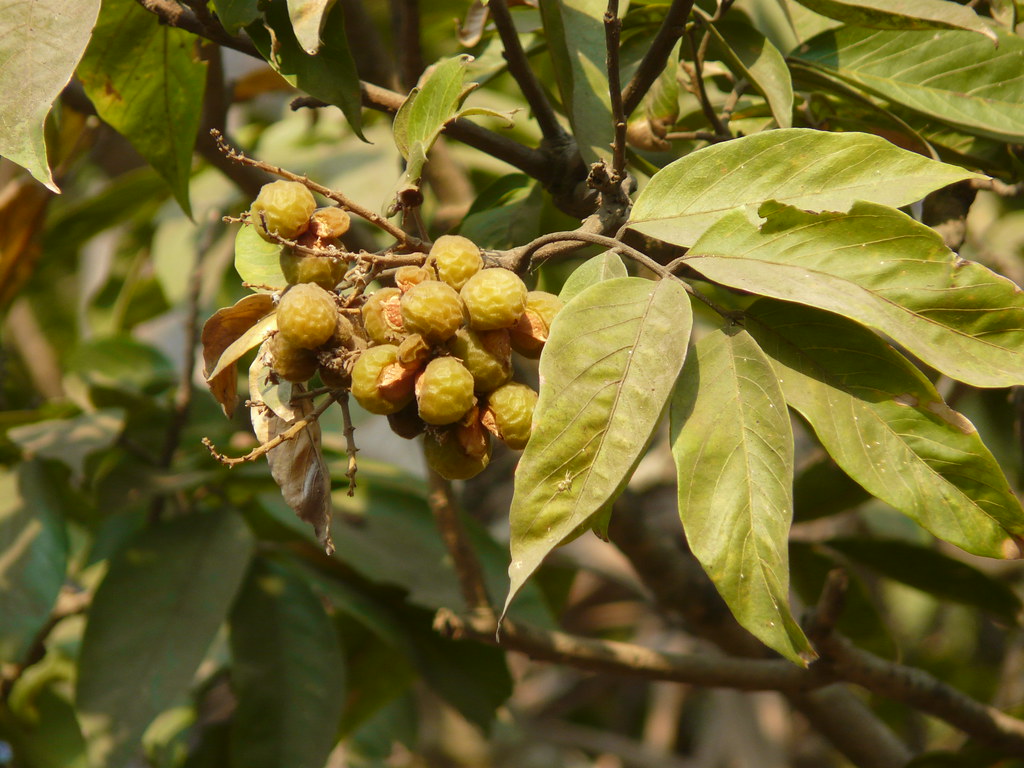
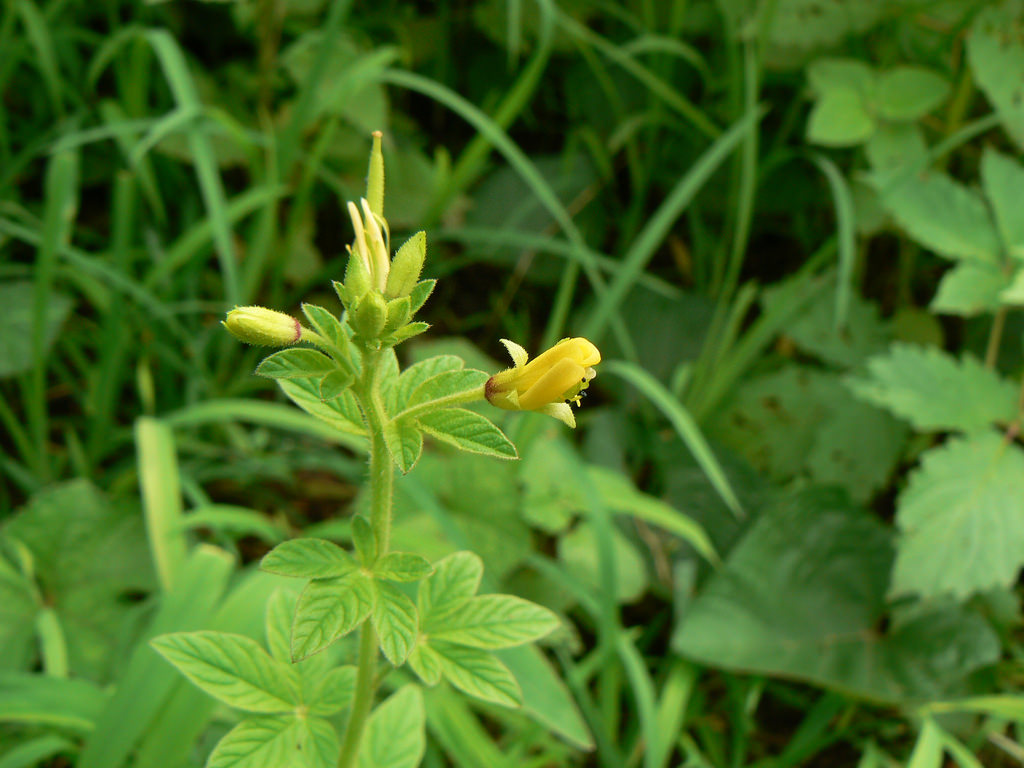
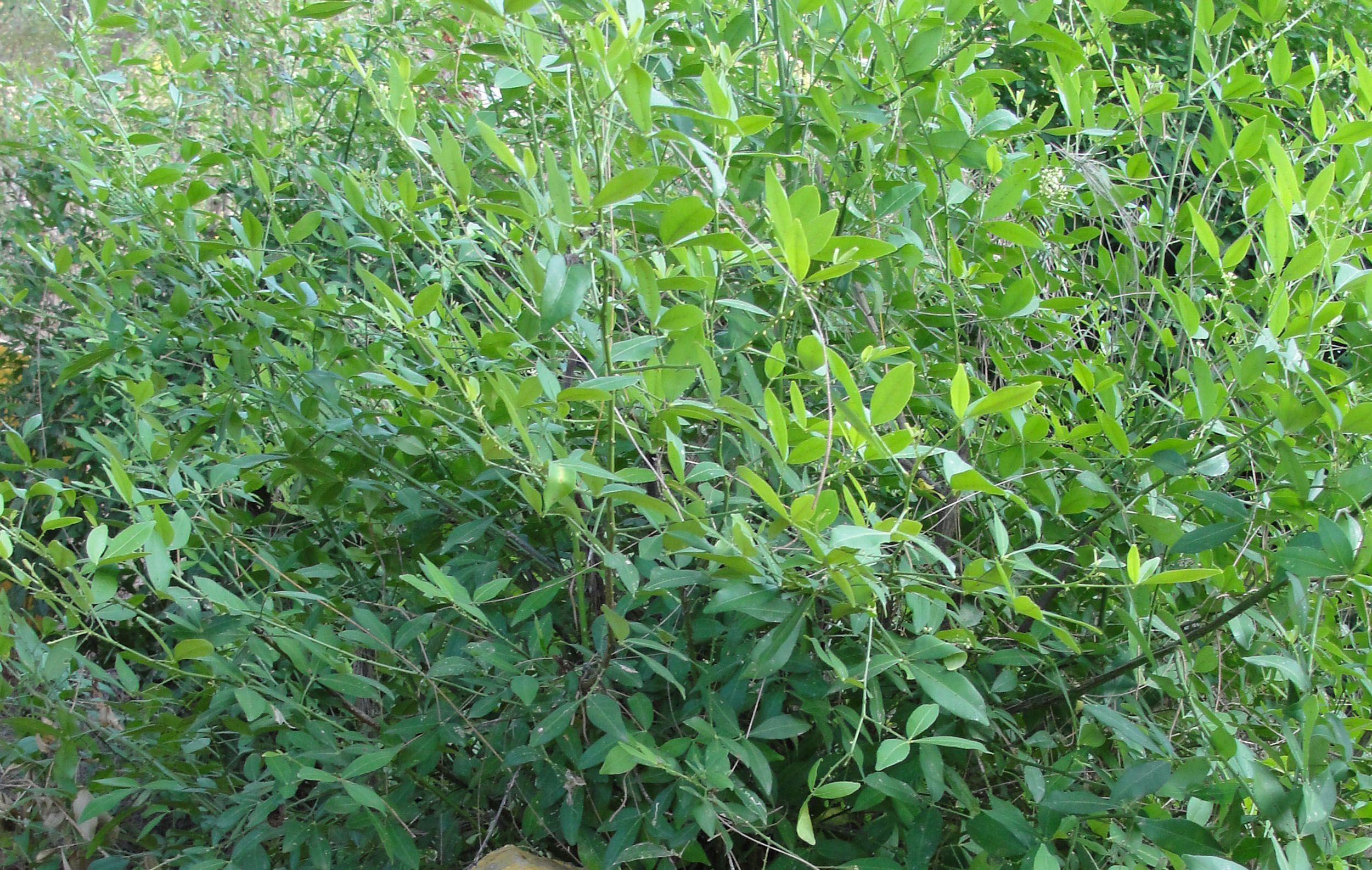
The plant is well known for its antipyretic property. All parts of the plant have characteristic pungent taste. It is used in sprains, contusions, intercostal neuralgia, cough, malaria, dysentery, gastralgia, poisonous snake bites and furuncle infections. Fresh bark of the root is used in the treatment of hill fever. The root is used as dental analgesic. It is also used in odontalgia, paralysis, intermittent fevers, dyspepsia, colic, flatulence, bronchitis, nausea, wounds, filthy ulcers, epilepsy, gonorrhoea, constitutional debility, convalescence after febrile and exhausting diseases, blood motions and arthritis. The root bark is bitter, astringent, acrid, digestive, carminative, constipating, diaphoretic, expectorant, antibacterial, vulnerary, aromatic, tonic, stimulant, antiperiodic, antidiarrhoeal, antipyretic and diuretic. Fresh leaves are eaten raw for pin in the bowel. The leaves are burnt and the ash is used as tooth powder and in decayed teeth. The flowers are useful as an external application in wasp-stings. The unripe fruit is rubbed down with oil to make a stimulant liniment for arthritis. The fruits are used for Cough and throat pain. The roots and leaves are boiled and used orally or inhalation for common cold and cough. Apart from these the fruits are also used for culinary purposes in the form of pickles- » Classification and names of tikshnaksha
- » Synonyms and definitions of tikshnaksha
- » Drug Properties of tikshnaksha
- » Chemical Constituents of tikshnaksha
- » Standardization of tikshnaksha
- » Parts used and Dosage of tikshnaksha
- » Morphology and Histology of tikshnaksha
- » Distribution and Conservation of tikshnaksha
- » Cultivation of tikshnaksha
- » tikshnaksha in the market
- » Medicinal Uses of tikshnaksha
- » Researches and clinical trails of tikshnaksha
- » tikshnaksha in other sytems of medicine
- » Ayurvedic formulations with tikshnaksha
- » Images of tikshnaksha

Dr Mohamed Rifas
A dual country licensed Ayurveda Physician, currently working in Dubai as Head of Ayurveda and Yoga department. He also works as visiting doctor for Dr Hassan Ayurveda Brain and Spine Specialty Hospital. He is specialized in joint issues, brain and spine related issues and gastrointestinal issues with respect to anxiety.
Doctor profile: Click here