tikshnaksha :
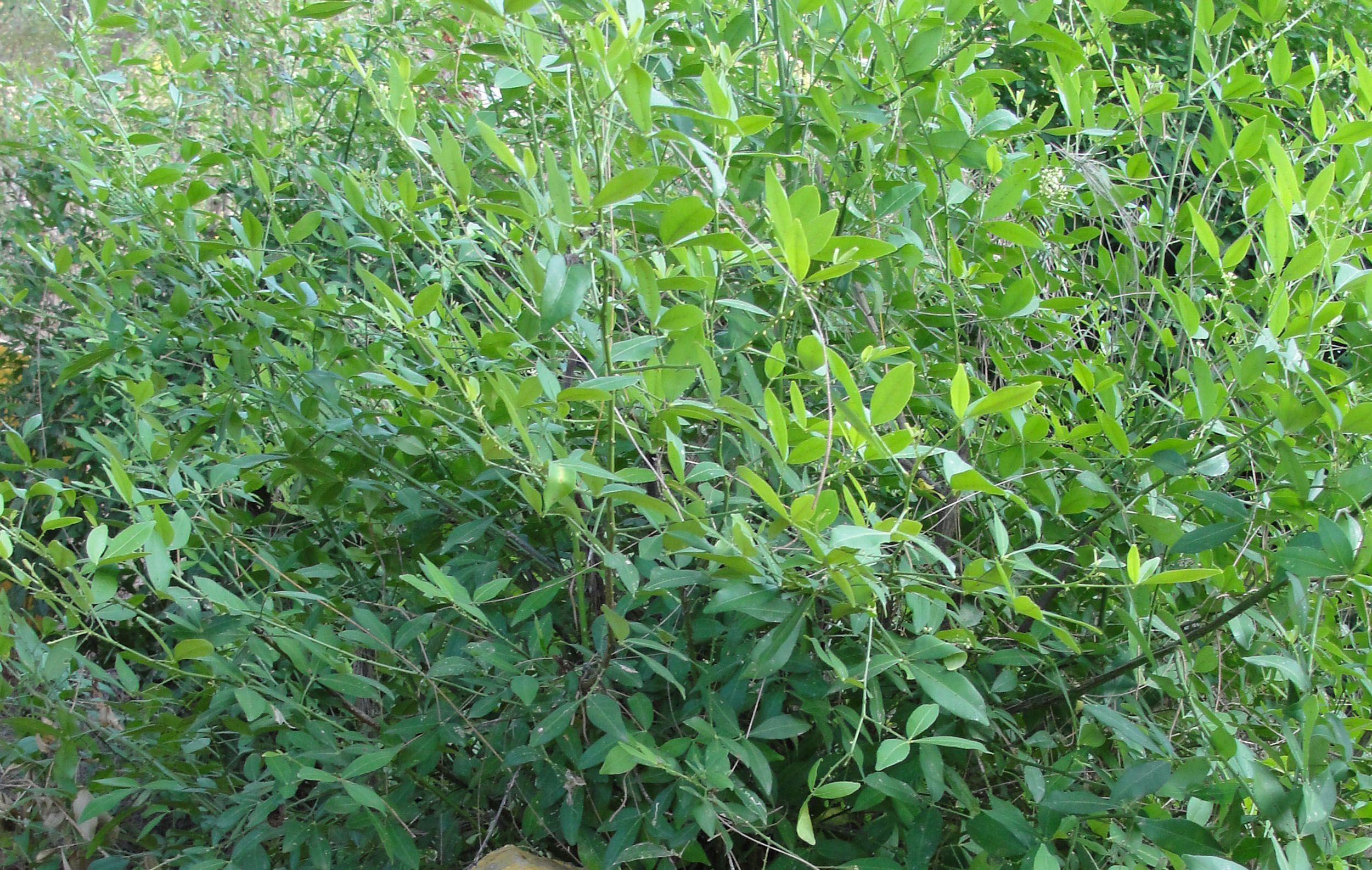
General Use:
The whole plant is aromatic or hot and pungent, and used as a bitter or aromatic tonic. It is used to boost digestive function and to treat feversThe fruit is used as a cough remedy
The roots are used in the treatment of indigestion and influenza
The root and its bark have been used as a remedy for fever, malaria, cholera, diarrhoea and rheumatism.
The leaves are used in the treatment of lung diseases and rheumatism. An infusion is used as a treatment for asthma
Therapeutic Uses:
Root bark considered antimalarial, antiperiodic, antipyretic, tonic and carminative.- Volatile oil from the leaves have a pleasant odor resembling verbena of basilicum.
Systemic Use:
The plant is used medicinally by many African peoples, including the Maasai, who use it for malaria, cough, and influenza. The roots contain coumarins that have antiplasmodial activity. Extracts of the plant have demonstrated antiviral activity against H1N1 influenza in the laboratoryPlant pacifies vitiated vata, kapha, hemiplegia, malaria, colic, flatulence, diarrhea, wounds, ulcers, epilepsy and poison insect bites
Administration:
Root extractPharmacological:
Studies have shown antiplasmodial, antimicrobial, antiviral, analgesic, anti-inflammatory, cytotoxic, repellent, antioxidant, anti-diarrheal, antihyperglycemic properties.- » Classification and names of tikshnaksha
- » Synonyms and definitions of tikshnaksha
- » Drug Properties of tikshnaksha
- » Chemical Constituents of tikshnaksha
- » Standardization of tikshnaksha
- » Parts used and Dosage of tikshnaksha
- » Morphology and Histology of tikshnaksha
- » Distribution and Conservation of tikshnaksha
- » Cultivation of tikshnaksha
- » tikshnaksha in the market
- » Medicinal Uses of tikshnaksha
- » Researches and clinical trails of tikshnaksha
- » tikshnaksha in other sytems of medicine
- » Ayurvedic formulations with tikshnaksha
- » Images of tikshnaksha

Website Administrator
This article is incomplete. If you feel you can make a contribution, please let us know by sending email to mail@ayushvedah.com, we may consider your request. Thank you.