tikshnaksha :
Controversy:
Fossil seeds of Toddalia have been described as †Toddalia nanlinensis from the Miocene of Nanlin Formation in Longchuan Basin, Dehong Autonomous Prefecture, Yunnan Province, China; the fossil seeds are boat-shaped with tegmen that is composed of thin-walled cells with fine criss-crossed spiral lignificationsCommercial value:
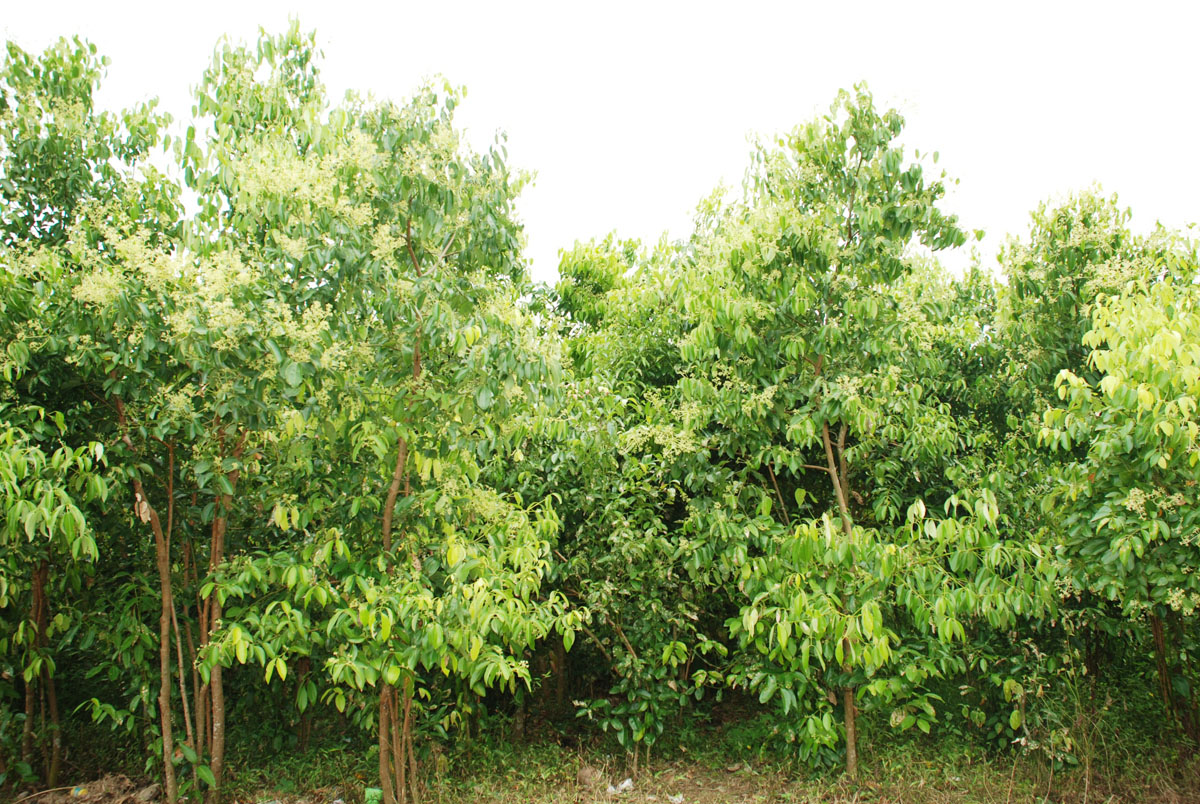
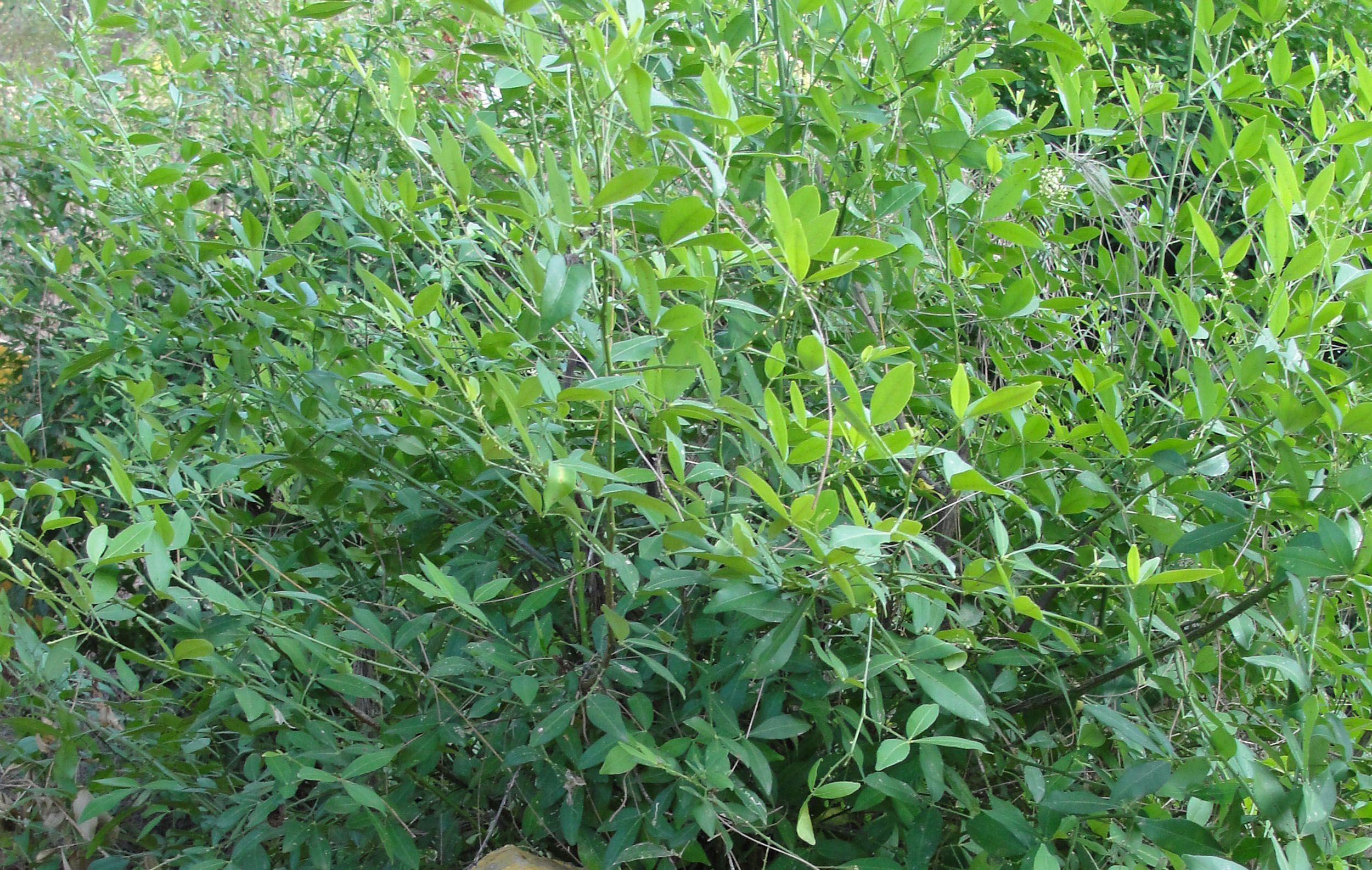
Toddalia asiatica could be used very successfully in larger gardens where the glossy light green leaves will attract the attention of visitors to your garden. This plant tends to grow as a large shrub, not a liana, if planted in full sun. Because it is extremely thorny, it could also be used as a security fence. It will only flourish in frost-free areas with a fairly high annual rainfall.
- » Classification and names of tikshnaksha
- » Synonyms and definitions of tikshnaksha
- » Drug Properties of tikshnaksha
- » Chemical Constituents of tikshnaksha
- » Standardization of tikshnaksha
- » Parts used and Dosage of tikshnaksha
- » Morphology and Histology of tikshnaksha
- » Distribution and Conservation of tikshnaksha
- » Cultivation of tikshnaksha
- » tikshnaksha in the market
- » Medicinal Uses of tikshnaksha
- » Researches and clinical trails of tikshnaksha
- » tikshnaksha in other sytems of medicine
- » Ayurvedic formulations with tikshnaksha
- » Images of tikshnaksha

Website Administrator
This article is incomplete. If you feel you can make a contribution, please let us know by sending email to mail@ayushvedah.com, we may consider your request. Thank you.