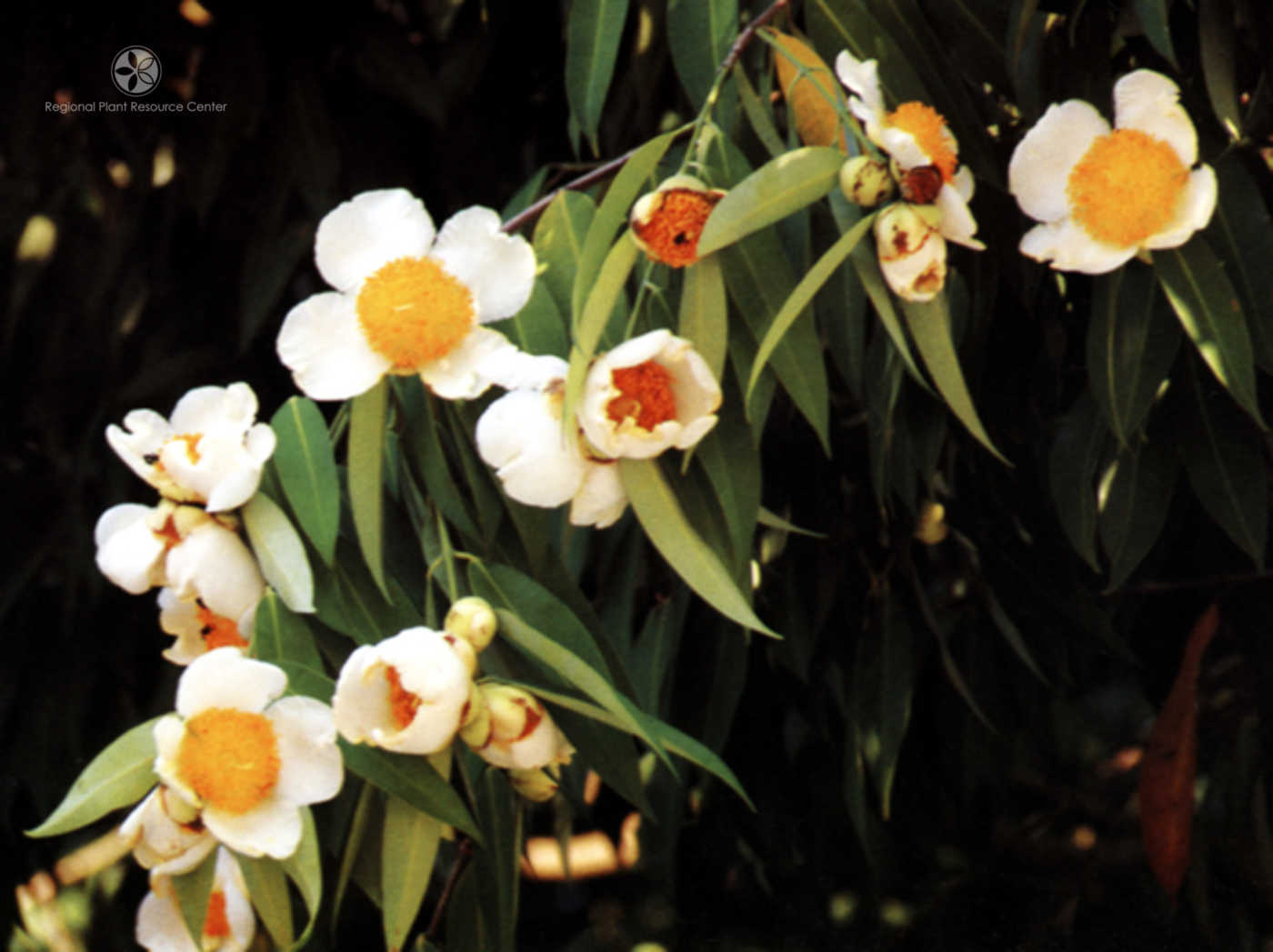
vikankata :

Use in other system of medicine:
Edibility
- Fruits are edible, eaten raw or stewed. Also dried or made into jams and jellies.
- Fruit used for making wine.
Folkloric
- Infusion of the bark used for hoarseness and as a gargle.
- In Madagascar, the bark is titurated in oil and used as a rheumatic liniment.
- The ashes of the roots are used for kidney ailments.
- Dried leaves are used in asthma, bronchitis, phthisis and catarrh of the bladder.
- Juice of fresh leaves and tender stalks used for fevers.
- As an antiperiodic for infants, 5 to 10 drops are placed in water or in mothers milk.
- Also used in phthisical coughs, dysentery, diarrhea and indigestion during dentition.
- In Bengal, used as a tonic during parturition.
- The fruit is used for bilious disorders and to relieve nausea and vomiting.
- In India, used as an antiviral.
- In Sabah, roots used for headaches, leaves for colic.
- In Tanzania, fruit used for jaundice and enlarged spleens; leaves and roots for schistosomiasis, malaria and diarrhea. Also, the roots are used for hoarseness, pneumonia, intestinal worms; and as astringent, diuretic and analgesic.
- In Africa, stem barks, fruits, and leaves used for epilepsy, headache, fever, stomach-ache, diarrhea, and sleep disorders.
- In Sri Lanka, young fruit taken for internal hemorrhages; ripe fruit as liver tonic. Root power with kithul juggary taken as expectorant. Decoction of roots taken for treatment of urinary calculi. Gum used in treatment of cholera.
Others
• Fodder: Grazed on by game. In India, branches and leaves lopped for cattle.
• Tannin or dyestuff: Bark is used as tannin material.
• Fuel: Wood used as firewood and charcoal.
- » Classification and names of vikankata
- » Synonyms and definitions of vikankata
- » Drug Properties of vikankata
- » Chemical Constituents of vikankata
- » Standardization of vikankata
- » Parts used and Dosage of vikankata
- » Morphology and Histology of vikankata
- » Distribution and Conservation of vikankata
- » Cultivation of vikankata
- » vikankata in the market
- » Medicinal Uses of vikankata
- » Researches and clinical trails of vikankata
- » vikankata in other sytems of medicine
- » Ayurvedic formulations with vikankata
- » Images of vikankata

Website Administrator
This article is incomplete. If you feel you can make a contribution, please let us know by sending email to mail@ayushvedah.com, we may consider your request. Thank you.