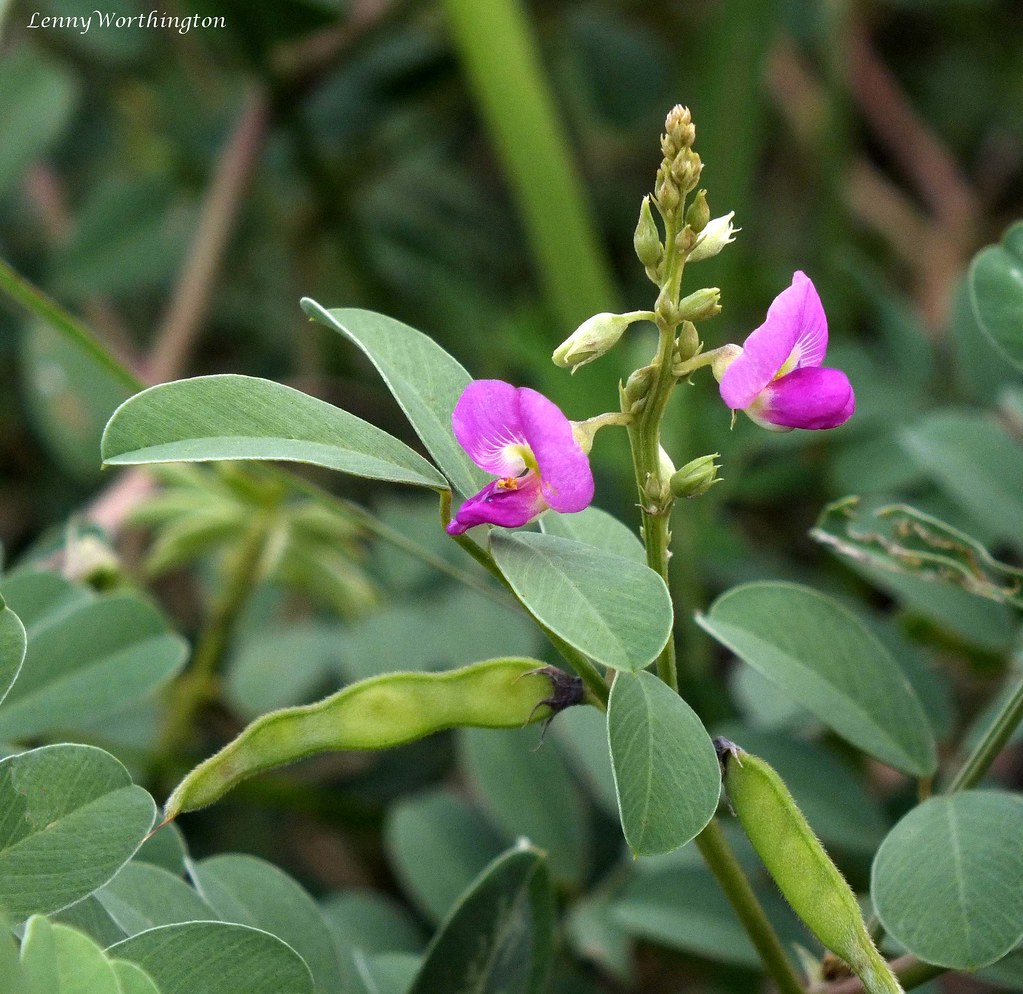
vikankata :

Cultivation:
A very adaptable plant, it grows in the drier to moist tropics from sea level to an elevation of 2,400 metres. It grows best in areas where annual daytime temperatures are within the range 22 - 40°c, but can tolerate 10 - 48°c. Mature plants can be killed by temperatures of -2°c or lower, but young growth will be severely damaged at -1°c. It prefers a mean annual rainfall in the range 750 - 1,400mm, but tolerates 500 - 2,000mm.Prefers a position in full sun in a fertile, well-drained soil. Tolerant of a variety of soils. Prefers a pH in the range .5 - 6.5, tolerating 5 - 8. Plants are fairly drought resistant once established
Propogation:
Seed -Layering
Grafting
Harvesting:
A dioecious plant. Whilst female trees will often fruit in the absence of a male plant, for better crops both male and female plants should be grown.It coppices very well
Flowering and fruiting: November-March
- » Classification and names of vikankata
- » Synonyms and definitions of vikankata
- » Drug Properties of vikankata
- » Chemical Constituents of vikankata
- » Standardization of vikankata
- » Parts used and Dosage of vikankata
- » Morphology and Histology of vikankata
- » Distribution and Conservation of vikankata
- » Cultivation of vikankata
- » vikankata in the market
- » Medicinal Uses of vikankata
- » Researches and clinical trails of vikankata
- » vikankata in other sytems of medicine
- » Ayurvedic formulations with vikankata
- » Images of vikankata

Website Administrator
This article is incomplete. If you feel you can make a contribution, please let us know by sending email to mail@ayushvedah.com, we may consider your request. Thank you.