
valika :
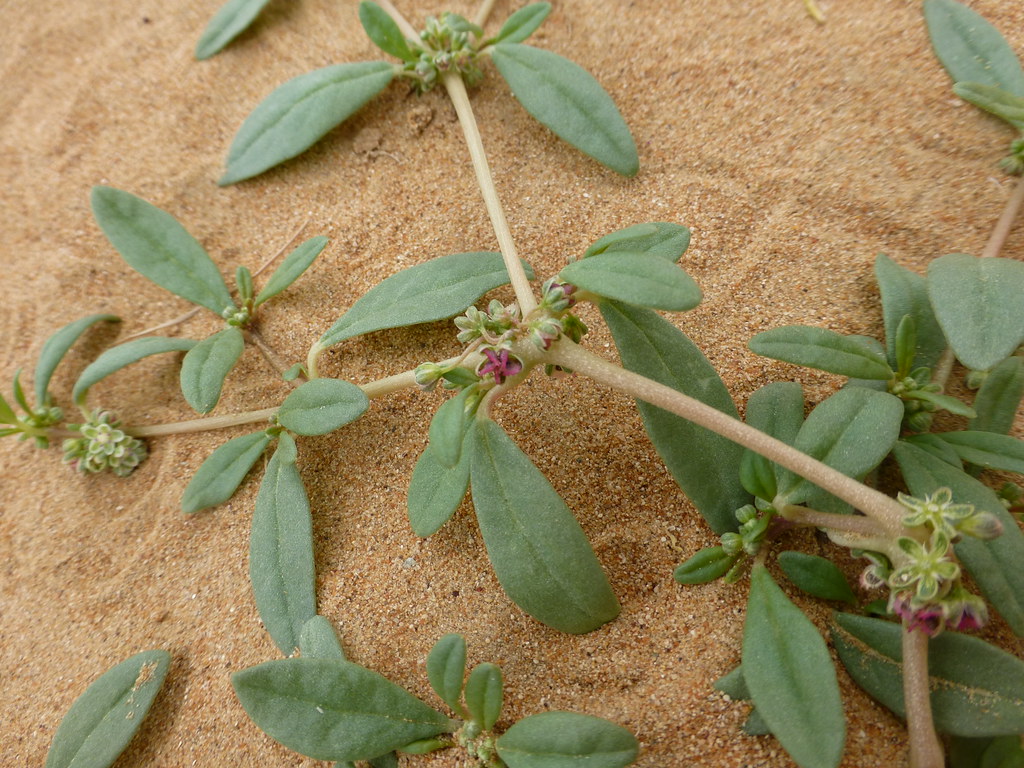
General Use:
Food: general Food: sauces, condiments, spices, flavourings Medicines: generally healing Medicines: pain-killers whole plant Medicines: pulmonary troubles Medicines: laxatives, etc. Medicines: diarrhoea, dysentery Medicines: vermifuges Medicines: pregnancy, antiaborifacients Medicines: dropsy, swellings, oedema, gout Medicines: tumours, cancers plant Phytochemistry: tannins, astringents fruit Phytochemistry: miscellaneously poisonous or repellent Agri-horticulture: fodderTherapeutic Uses:
The whole plant is eaten as a general strength restorative, e.g. after miscarriage[]. The cooked green leaves are eaten to treat asthma[]The plant is considered to be a purgative in some areas, whilst in others it is taken to cure diarrhoea[].
It is used as a taenicide, but the plant should be consumed with great caution[].
The leaves are rubbed on swellings and the stem, pounded in butter, is placed on aching muscles[].
The sap of the plant is used against warts[].
The roots are made into a chest medicine[].
The seeds probably possess anthelmintic properties[].
Several phenolic acids have been identified in the vegetative parts, including p-OH-benzoic acid, caffeic acid, p-coumaric acid and vanillic acid[]. Ferulic and sinapic acids were absent, although these are usually present in the Aizoaceae[].
The tannin-like principles α- and β-gisekia have been found in the seed[].
Tannins are present in the whole plant[].
- » Classification and names of valika
- » Synonyms and definitions of valika
- » Drug Properties of valika
- » Chemical Constituents of valika
- » Standardization of valika
- » Parts used and Dosage of valika
- » Morphology and Histology of valika
- » Distribution and Conservation of valika
- » Cultivation of valika
- » valika in the market
- » Medicinal Uses of valika
- » Researches and clinical trails of valika
- » valika in other sytems of medicine
- » Ayurvedic formulations with valika
- » Images of valika

Website Administrator
This article is incomplete. If you feel you can make a contribution, please let us know by sending email to mail@ayushvedah.com, we may consider your request. Thank you.







Wonderful items from you, man. Ive consider your stuff prior to and you are just extremely wonderful. I actually like what you have bought here, certainly like what youre saying and the best way through which you assert it. You are making it enjoyable and you still care for to stay it wise. I cant wait to read much more from you. This is really a terrific site.