tejpatra :
Use in other system of medicine:
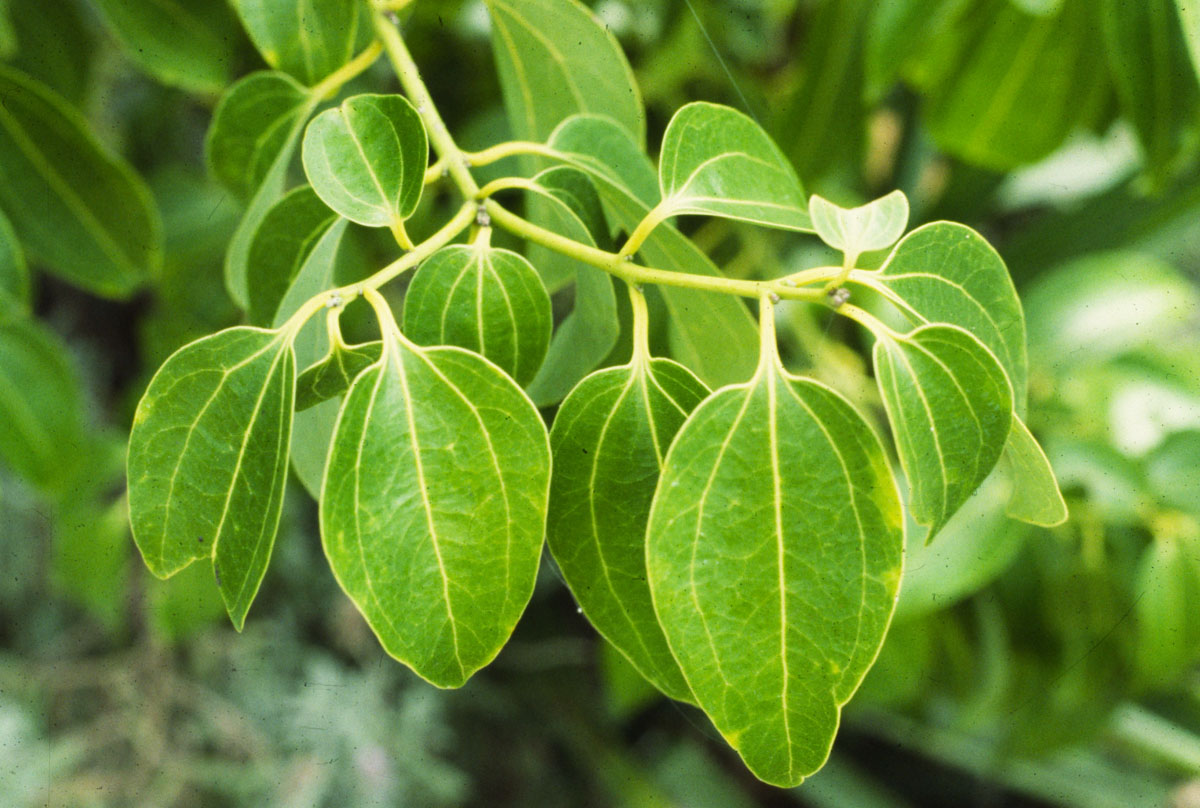
It is used in cooking to add a specific flavour to food. It also has some medicinal properties.Bay leaves have a floral fragrance similar to oregano or thyme. They have been used as a flavoring by the Ancient Greeks and many Mediterranean cultures, as well as in the Americas. They are commonly used in soups, stews, meat and fish dishes and sauces. Bay leaves are a classic herb in traditional French cuisine. Typically the leaves are used whole or as part of an herbal garnish that is removed before serving the meal. They are also used in Thai and Arabic dishes, in particular Massaman Curry. In India they are used in Aram Masala.
Bay trees can live many decades. The leaves are harvested when the plant is a couple of years old. Fresh bay leaves are very bitter. The dried leaves have a deeper less bitter flavor. The older the leaf is the stronger the flavor. The oil is used by the perfume industry. The wood is also sweet-scented.
The name Lauris nobilisis derivies from the Latin “laurus” meaning to laud or praise and “nobilis” meaning noble. Esoterically, the leaves are considered a noble and strong protector that have the ability to attract the “right place” to you. The leaves can be burned to purify the air, providing comfort and freshness to a room.
In early Greece annual athletic competitions held to honor Apollo. The winner was crowned by a wreath of bay, also called, bay laurel leaves. In modern Greece, the bay laurel is called Daphne and the tree’s boughs are a national symbol. The term “baccalaureate” originates from the giving of the bay leaf crowns to signify success. The Romans held bay laurel to be a symbol of victory.
- » Classification and names of tejpatra
- » Synonyms and definitions of tejpatra
- » Drug Properties of tejpatra
- » Chemical Constituents of tejpatra
- » Standardization of tejpatra
- » Parts used and Dosage of tejpatra
- » Morphology and Histology of tejpatra
- » Distribution and Conservation of tejpatra
- » Cultivation of tejpatra
- » tejpatra in the market
- » Medicinal Uses of tejpatra
- » Researches and clinical trails of tejpatra
- » tejpatra in other sytems of medicine
- » Ayurvedic formulations with tejpatra
- » Images of tejpatra

Dr Mohamed Rifas
A dual country licensed Ayurveda Physician, currently working in Dubai as Head of Ayurveda and Yoga department. He also works as visiting doctor for Dr Hassan Ayurveda Brain and Spine Specialty Hospital. He is specialized in joint issues, brain and spine related issues and gastrointestinal issues with respect to anxiety.
Doctor profile: Click here