musta :
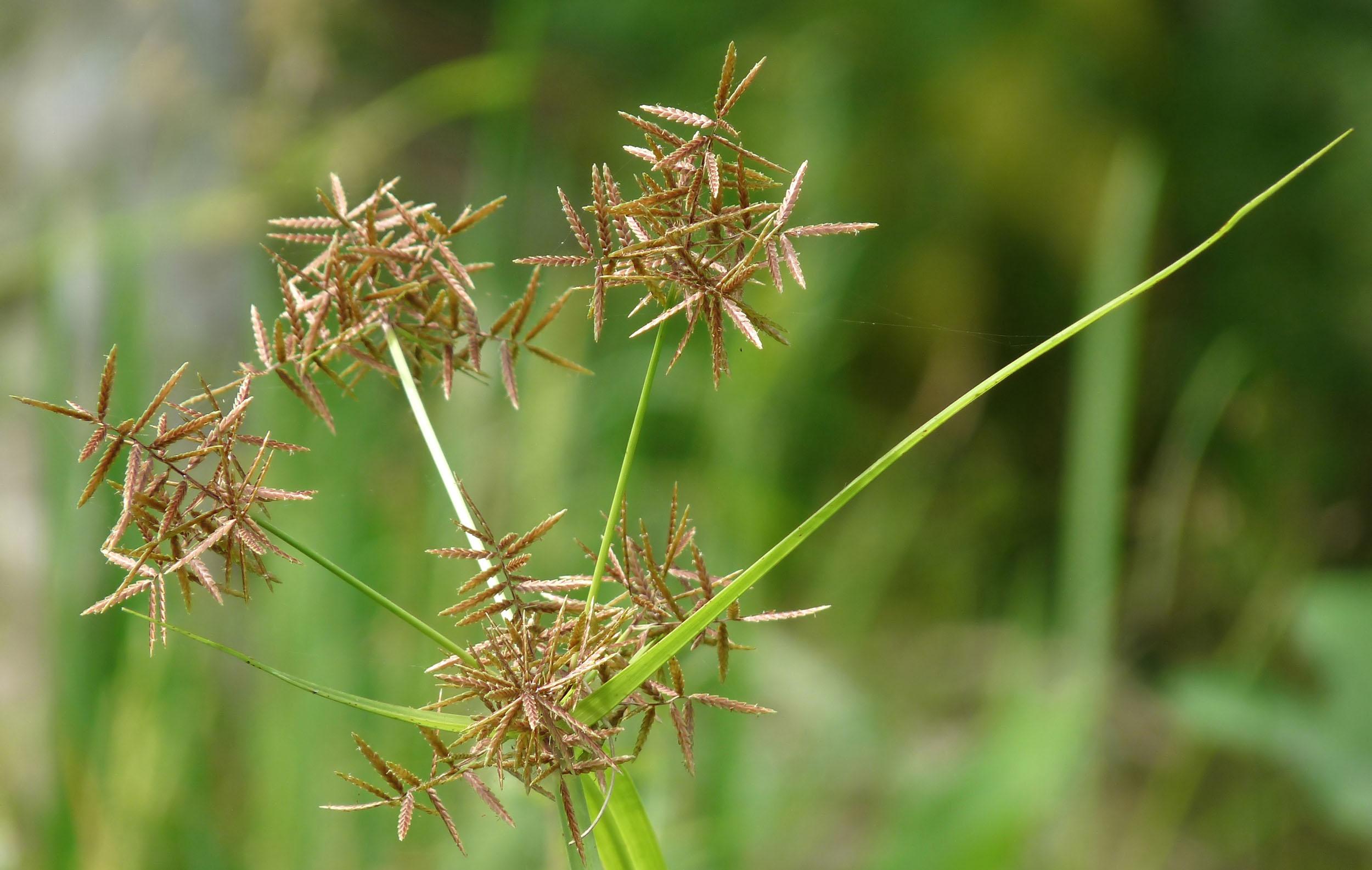
Phytochemistry:
Volatile OilPhytochemical studies have shown that the major chemical components of Motha herb are essential oils, flavonoids, terpenoids, and mono sesquiterpenes. The plant contains the following chemical constituents; cyprotene, acopaene, cyperene, aselinene, rotundene, valencene, cyperol, gurjunene, trans‑calamenene, dcadinene, gcalacorene, cadalene, amuurolene, gmuurolene, cyperotundone, mustakone, isocyperol, acyperone (Meena et al., 2010). 4, 11‑selinnadien‑3‑one and 1, 8‑cineole (Visetson et al., 2001). The oil of C. rotundus was mainly composed of cyperol, α‑cyperene, rotundine, α‑cyperone, α‑copaene, valerenal, myrtenol, β‑pinene, α‑pinene and α‑Selinene, sesquiterpene hydrocarbons (Caryophyllene
PHARMACOLOGY:
IMPORTANT FORMULATIONS –
v Mustakarishta
v Mustakadi kwatha
v Asokarishta
v Mustakadi curna
v Mustakadi lehya
v Shadanga paneeya
v Chandraprabha vati
v Mahalakshadi taila
v Yogaraja guggulu
- » Classification and names of musta
- » Synonyms and definitions of musta
- » Drug Properties of musta
- » Chemical Constituents of musta
- » Standardization of musta
- » Parts used and Dosage of musta
- » Morphology and Histology of musta
- » Distribution and Conservation of musta
- » Cultivation of musta
- » musta in the market
- » Medicinal Uses of musta
- » Researches and clinical trails of musta
- » musta in other sytems of medicine
- » Ayurvedic formulations with musta
- » Images of musta

Dr Mohamed Rifas
A dual country licensed Ayurveda Physician, currently working in Dubai as Head of Ayurveda and Yoga department. He also works as visiting doctor for Dr Hassan Ayurveda Brain and Spine Specialty Hospital. He is specialized in joint issues, brain and spine related issues and gastrointestinal issues with respect to anxiety.
Doctor profile: Click here