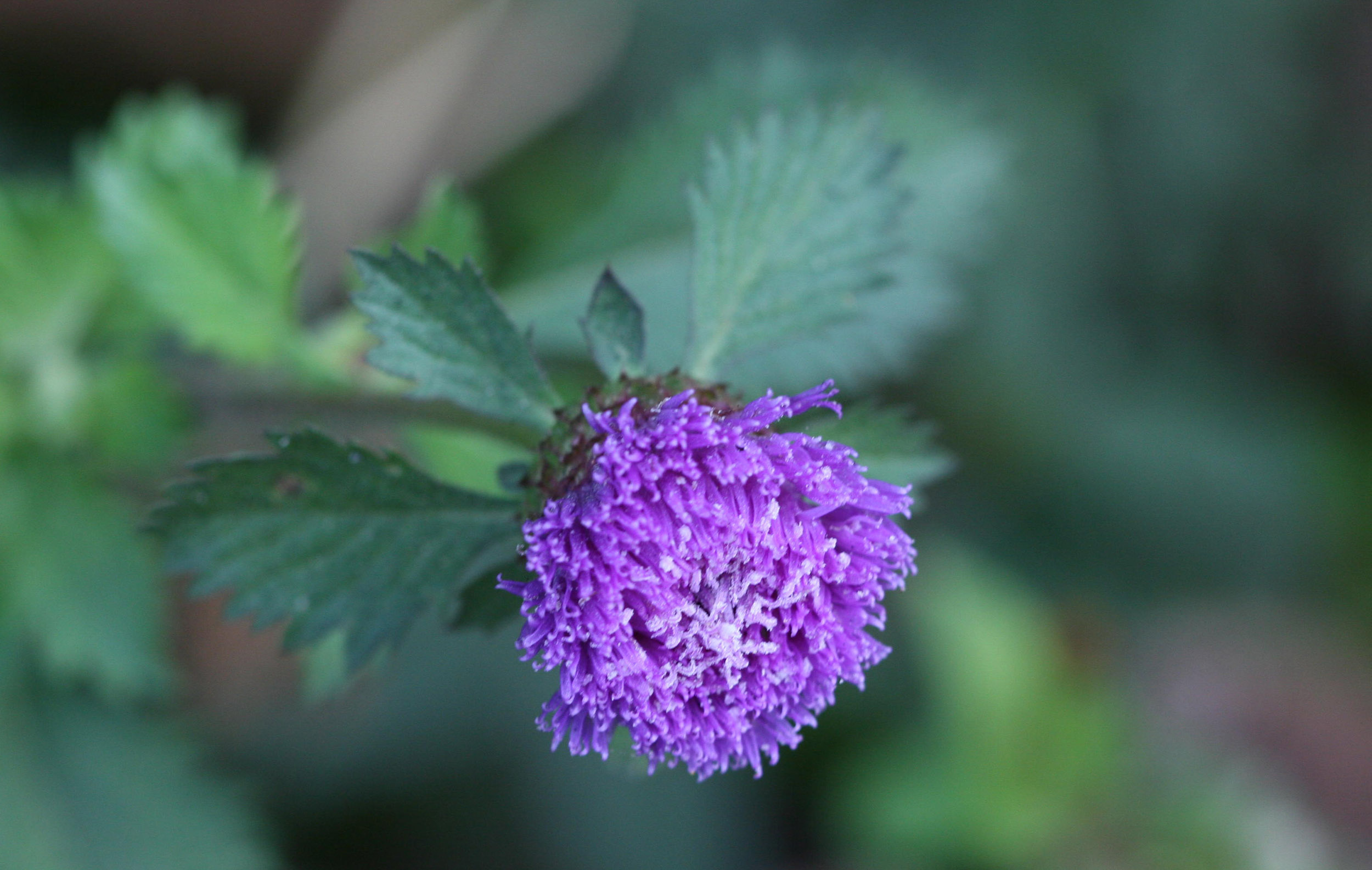
mashaparni :

Morphology:
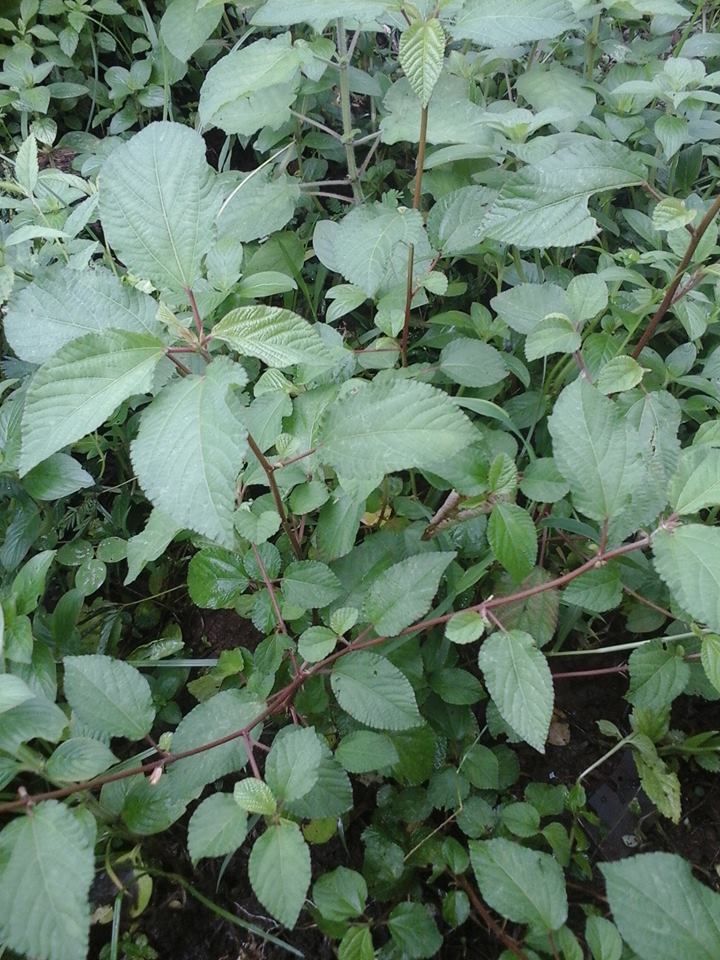
Erect, hairy annual herb up to 100 cm tall, sometimes twining, with a well-developed taproot; stem diffusely branched from the base, furrowed.
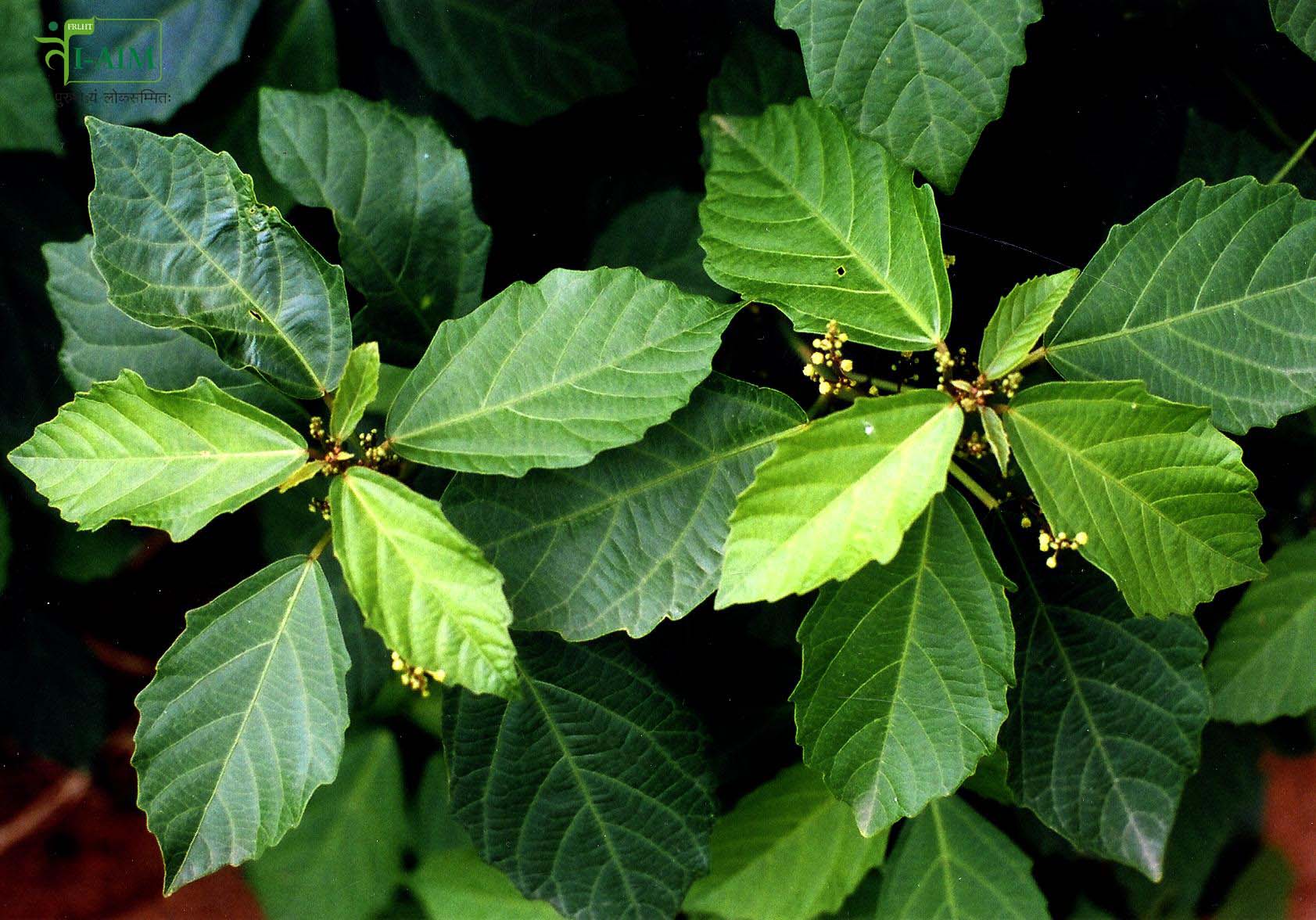
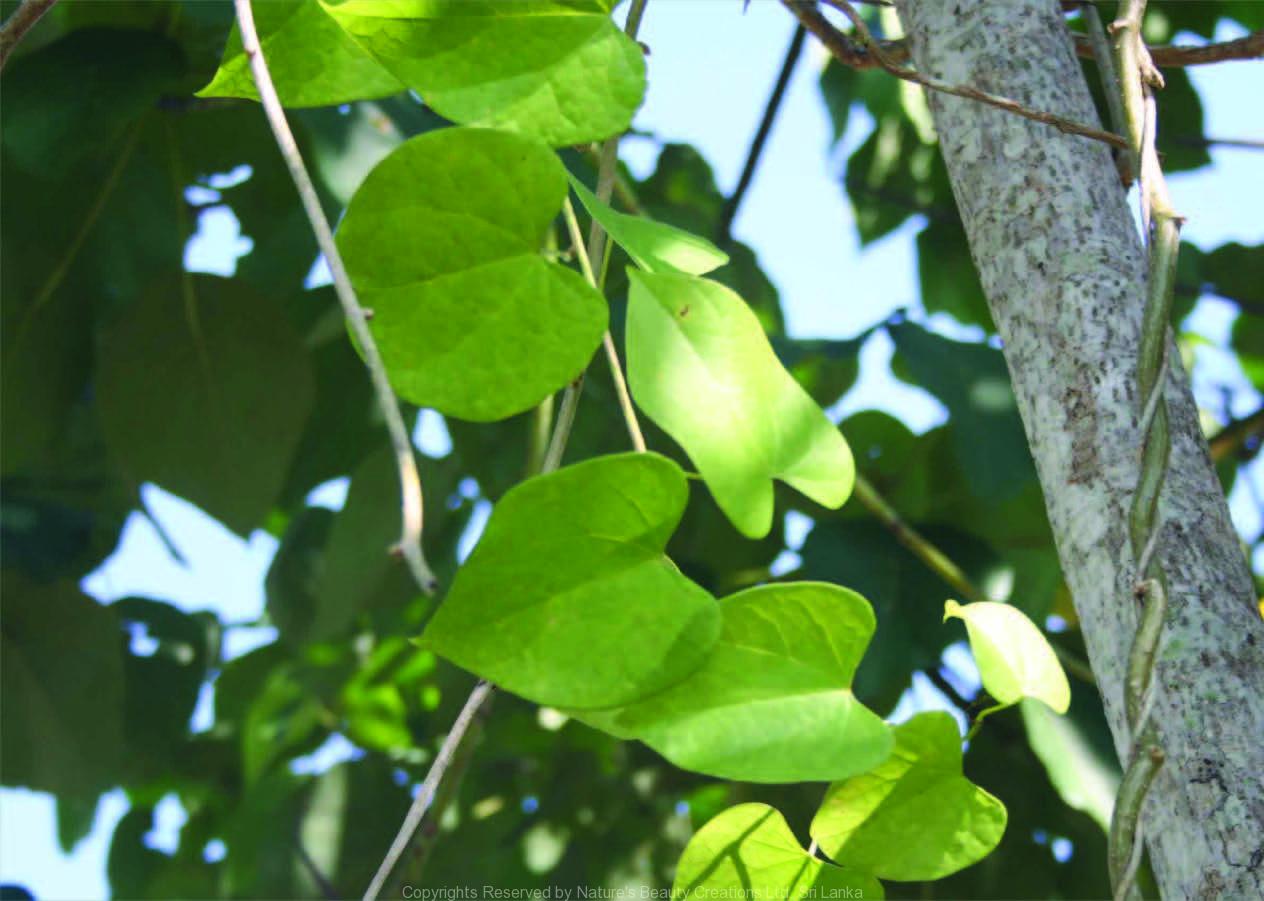
Leaves alternate, 3-foliolate; stipules peltate, ovate; petiole 6–20 cm long; stipels falcate; leaflets ovate or rhombic-ovate, 4–10 cm × 2–7 cm, entire, acuminate.
Inflorescence an axillary false raceme; peduncle up to 18 cm long.
Flowers bisexual, papilionaceous, small; bracteoles linear to lanceolate, exceeding the calyx; calyx campanulate; corolla yellow, standard 12–16 mm wide, wings about as long as standard, keel spirally coiled with a terminal horn-like appendage; stamens 10, 9 united and 1 free; ovary superior, style spirally curved.
Fruit a cylindrical pod 4–7 cm × 0.5 cm, erect or almost so, with long hairs and short hooked beak, 4–10-seeded.
Seed ellipsoid, up to 5 mm long, with square ends, and raised and concave hilum, usually black or mottled, sometimes green.
Seedling with epigeal germination.
Histology:
The plant, Vigna mungo produces a plenty of root nodules. The mature nodules are small, mostly oval to circular and pink to pinkish red in color. A transverse section of a nodule reveals a central pink colored ‘bacterial zone’ which is enveloped by a whitish-gray cortical layer as observed under electron microscopic study in present investigation. The root nodule of the plant contained bacteroids. The bacteroids were convoluted, rod shaped to ellipsoidal in shape.and it forms symbiotic relationship with the legume.- » Classification and names of mashaparni
- » Synonyms and definitions of mashaparni
- » Drug Properties of mashaparni
- » Chemical Constituents of mashaparni
- » Standardization of mashaparni
- » Parts used and Dosage of mashaparni
- » Morphology and Histology of mashaparni
- » Distribution and Conservation of mashaparni
- » Cultivation of mashaparni
- » mashaparni in the market
- » Medicinal Uses of mashaparni
- » Researches and clinical trails of mashaparni
- » mashaparni in other sytems of medicine
- » Ayurvedic formulations with mashaparni
- » Images of mashaparni

Website Administrator
This article is incomplete. If you feel you can make a contribution, please let us know by sending email to mail@ayushvedah.com, we may consider your request. Thank you.