biyana :

Morphology:
Habit
Deciduous trees, up to 20 m tall.
Trunkark
Bark grey, smooth and thin irregularly scaly when mature.
Branchlets
Young branchlets angular to subterete, glabrous.
Leaves
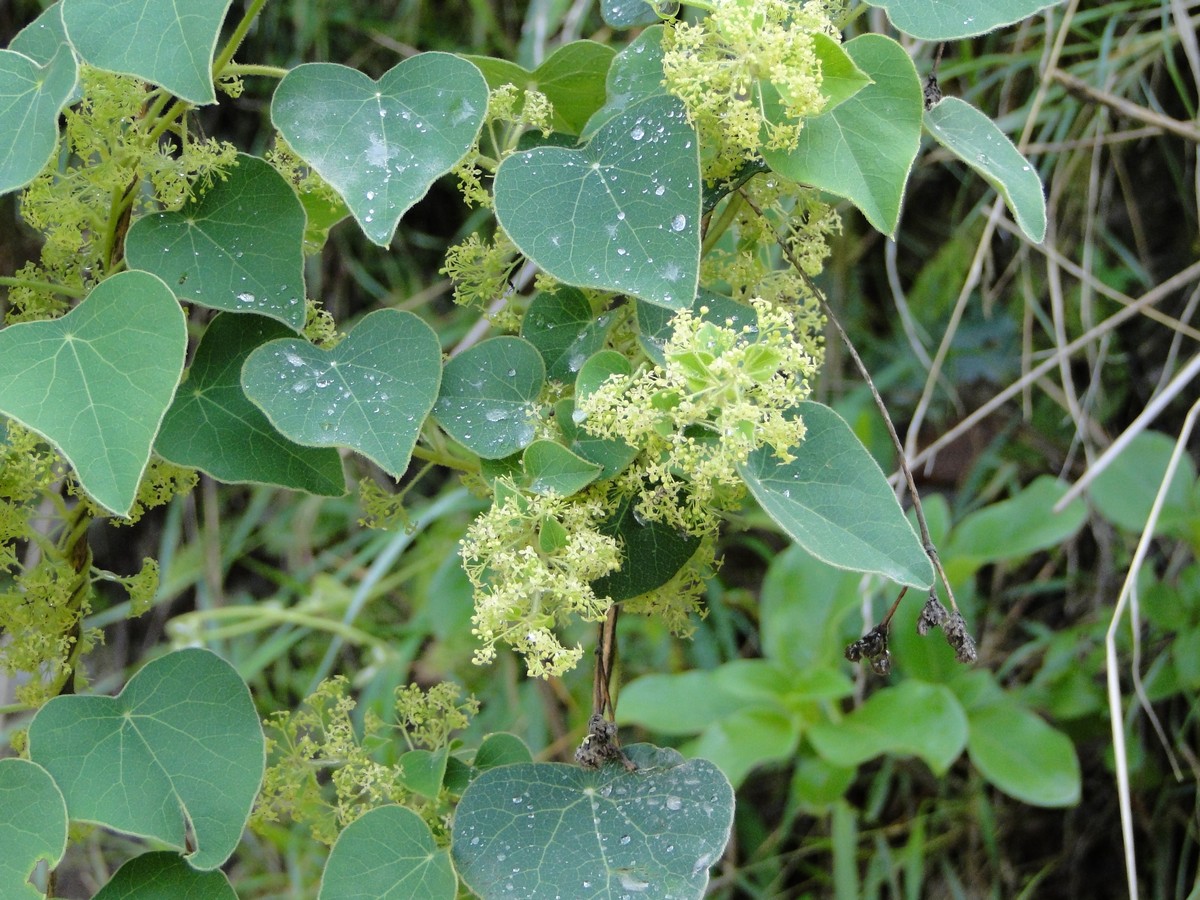
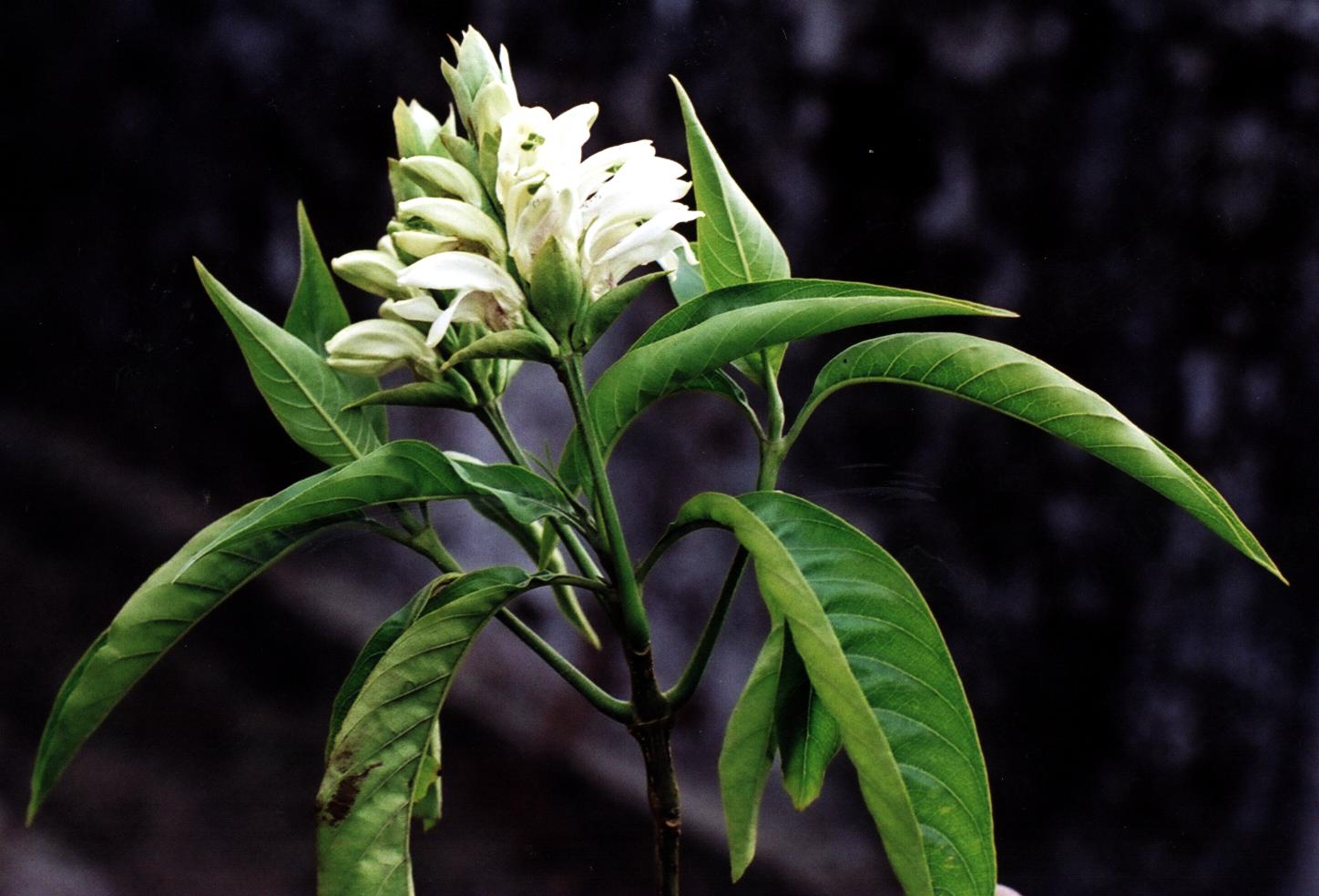
Leaves simple, opposite, decussate; stipules foliacous with keeled back, interpetiolar, caducous and leaving scar; petioles 1-4 cm long, canaliculate in cross section, glabrous; lamina 16 x 10 cm, ovate, elliptic-obovate to orbiculate, apex abruptly acuminate with blunt tip, rarely acute, base acute to attenuate to subcordate, margin entire, coriaceous, glabrous; midrib flat above; secondary nerves 6-10 pairs, hairy domatia present at axils; tertiary nerves distantly obliquely retiuculo-percurrent.
Flowers
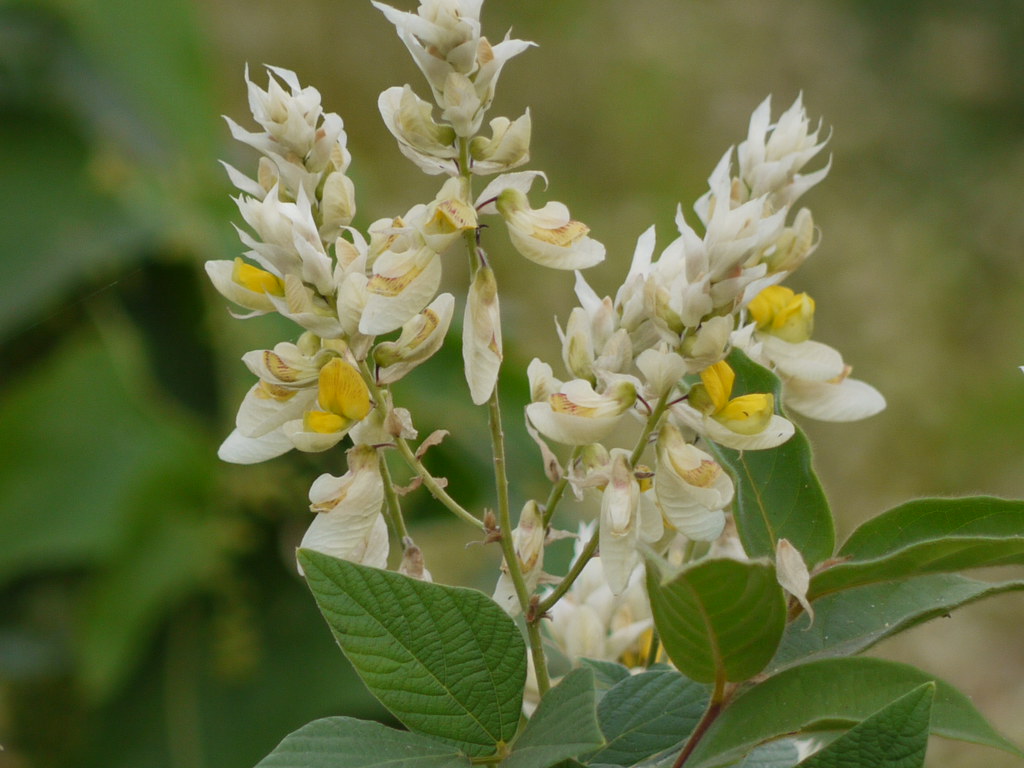
Inflorescence terminal head; flowers sessile, cream-white; calyx lobes short.
Fruit& seed
Capsules, arranged in globose heads, each with 2-folicular cocci; seeds many, winged.
- » Classification and names of biyana
- » Synonyms and definitions of biyana
- » Drug Properties of biyana
- » Chemical Constituents of biyana
- » Standardization of biyana
- » Parts used and Dosage of biyana
- » Morphology and Histology of biyana
- » Distribution and Conservation of biyana
- » Cultivation of biyana
- » biyana in the market
- » Medicinal Uses of biyana
- » Researches and clinical trails of biyana
- » biyana in other sytems of medicine
- » Ayurvedic formulations with biyana
- » Images of biyana

Website Administrator
This article is incomplete. If you feel you can make a contribution, please let us know by sending email to mail@ayushvedah.com, we may consider your request. Thank you.