
bhunimba :
 Andrographis paniculata (Burm. f.) Wall. ex Nees (AP) is an important medicinal plant and widely used around the world. It belongs to the family Acanthaceae. AP is used as a traditional herbal medicine in Bangladesh, China, Hong Kong, India, Pakistan, Philippines, Malaysia, Indonesia, and Thailand and is ethnobotanically used for the treatment of snake bite, bug bite, diabetes, dysentery, fever, and malaria. In the Unani and Ayurvedic medicines, AP is one of the mostly used medicinal plants
 HISTORICAL AND MYTHOLOGICAL REVIEW:
In Vedakala references are not available, but in Samhitha kala references are told in the context of grahani dosha chikitsa adhyaya of Charaka, kushta chikitsa of Sushrutha, prameha chikitsa of Astanga hrudaya. In Nighantukala references are available in the Adarsha nighantu & Priya nighantuTaxonomical Classification
Kingdom: Plantae - Plants
Subkingdom: Tracheobionta - Vascular plants
Superdivision: Spermatophyta - Seed plants
Division: Magnoliophyta - Flowering plants
Class: Magnoliopsida - Dicotyledons
Family: Acanthaceae
Genus: Andrographis
Species: Andrographis paniculata
Allied species:
Andrographis paniculata var. glandulosa NeesJusticia latebrosa Russell ex Wall.
VERNACULAR NAMES
Sanskrit: Kalmegha, BhunimbaEnglish: king of bitters, chiretta , Kariyat, Creat
Hindi: Kirayat, Kalpanath •
Urdu: Naine-havandi
Telugu: Nilavembu
Bengali: কলমেঘ Kalmegh
Marathi: Oli-kiryata, Kalpa
Konkani: Vhadlem Kiratyem
Oriya: Bhuinimba
Gujarathi: Kariyatu
Tamil: நீலவெம்பு Nilavembu
Malayalam: Nelavepu, Kiriyattu •
Kannada: Nelaberu
Punjabi: Chooraita
Arabic: qasabhuva, qasabuzzarirah, qazabuzzarirah
Assamese: কলমেঘ Kalmegh
Japanese: Andorogurafizu paniikuraata, Senshinren.
Chinese: Chuan Xin Lian
Deccan: Charayetah, Kalaphnath.
French: La chirette verte, de
Burma: Say gah gyi, Nga yoke gah.
Persian: naine-havandi, nainehavandi
Sinhalese: :Hinbinkohomba, Ninbinko- homba.
Varities:
AdarshaNighantu- VasadivargaPriyaNighantu - Shatapushpadivarga
Definition
The word Kalamegha is derived from “Vangeeya Sampradaya”(Bengali vernacular nomenclature). From distance, it appears like a black cloud in the blue sky . Hence, it is called as Kalamegha
Synonyms
Synonyms in Ayurveda: kalamegh, kirtaBhunimba
Kalamegha
Kalpanatha
Tikta
Yavakaraphala
Yavatikta
Rasa: Tikta
Guna: Laghu Ruksha
Veerya: Ushna
Vipaka: Katu
Karma: Kaphahara Pittahara
is ethnobotanically used for the treatment of snake bite, bug bite, diabetes, dysentery, fever, and malaria. The aerial part of AP is most commonly used; its extracts contain diterpenoids, diterpene glycosides, lactones, flavonoids, and flavonoid glycosides. Whole plant leaves and roots are also used as a folklore remedy for different diseases in Asia and Europe
Cultivation:
A plant of the tropics, where it is found at elevations up to 1,600 metres. It grows best in areas where annual daytime temperatures are within the range 20 - 30°c, but can tolerate 14 - 38°c. It prefers a mean annual rainfall in the range 2,000 - 3,000mm, but tolerates 1,500 - 4,000mmPrefers a position in light shade, but can tolerate deeper shade and sunnier positions
The plant has escaped from cultivation and become naturalized in many areas of the tropics
In shading experiments, the optimal proved to be 20% shade with average dry-matter production of 13.2 g per 5-month-old plant
Propogation:
Seed - should be soaked for 24 hours and then dried before being sown. Germination starts after 1 week and the mean germination rate is about 80%.Cuttings consisting of 3 nodes taken from the upper third of 1-year-old plants have given the best results in vegetative propagation, with 80-90% rooting
Harvesting:
The leaves should be harvested when the inflorescence axis starts to grow, because the maximum accumulation of andrographolide is at that stageThe roots are harvested when leaves start discolouring or wilting
Yields of 1 - 1.5 kg fresh weight/plant are obtained from 7-month-old plants
In general, the herb is used fresh and consumed within a few days after collection]. However, leaves and roots should be washed and dried in the sun or artificially before storage
Phytochemistry:
Contains diterpene lactones, glycosides, b-sitosterol-d-glucoside, and flavanoids.
•The active constituent of the extract is andrographolide.
• Study of aerial parts isolated five labdane diterpenes, 14-deoxy-12-hydroxyandrographolide, 14-deoxy-11,12-didehydroandrographolide, 14-deoxyandrographolide, andrographolide, and neoandrographolide.
• Phytochemical screening yielded various secondary metabolites likes steroids, alkaloids, phenols, catechine, flavonoids, saponins, and tannins. GC-MS analysis of powdered plant sample yielded 13 different phytochemical compounds, viz., 1,1,3-tryethoxy-propane, teradecanoic acid, 3,7,11,15-tetramethyl-2-hexadecen-1-ol, n-hexadecanoic acid, 9,12-octadecadienoyl chloride (Z,Z)-, phytol, 9,12-octanecadienoic acid (Z,Z), 9,12,15-octadecatrienoic acid (Z,Z,Z) 1,2-benzenedicarboxylic acid, diisoctyl ester, squalene, retinoic acid methyl ester, androstan-17-one, 2-ethyl-3-hydroxy, (5α) and ß-sitosterol.
PHARMACOLOGY:
Studies have shown cardioprotective, antioxidant, hepatoprotective, anti-inflammatory, antimalarial, anticancer, antidengue, antivenom, antidiabetic, larvicidal, renoprotective properties.Parts used for medicinal purpose
Whole plant, ,Dosage:
Churna 1-3 gms
Swarasa - 5-10 ml
Kwatha 20-40 ml
Antidote:
- is a specific antidote to snake venom actionsSubstitute:
Bhunimba is accepted as a synonym of kiratatikta (chirayita – Swertia species)
and Andrographis paniculata which is sold in the market as its substitute or adulterant or by the name of Deshi-chirayita and kalamegha also.
Adultrants:
Andrographis echioides Nees. where in andrographolide is not presentControversy:
According to Bapalal Vaidya, while explaining the controversy of Kalamegha, the Green variety like Chirayata was found in Gujarat which is known as Kalamegha . Bhunimba is accepted as a synonym of kiratatikta (chirayita – Swertia species) and Andrographis paniculata which is sold in the market as its substitute or adulterant or by the name of Deshi-chirayita and kalamegha also. Andrographis paniculata is locally known as bhunimba in Madhya Pradesh and bhunimo in Orissa. In high himalayan regions so called kiratatikta is Swertiachirayita;here other bitter species of swertia are also used as Kiratatikta,but commonly called as Deshi chirayita is Kalmegha.Commercial value:
Andrographis paniculata Wall (family Acanthaceae) is one of the most popular medicinal plants used traditionally for the treatment of array of diseases such as cancer, diabetes, high blood pressure, ulcer, leprosy, bronchitis, skin diseases, flatulence, colic, influenza, dysentery, dyspepsia and malaria for centuriesMorphology:
A. paniculata is an annual profusely branched, erect herb extremely bitter in taste. It grows to a height of 30-110 cm in moist shady places with glabrous leaves and white flowers with rose purple spots on the petal. The stem dark green, 0.4-1.0 m in height, 2-6 mm in diameter, quadrangular with longitudinal furrows and wings on the angles of the younger parts, slightly enlarged at the nodes; leaves glabrous, up to 8.0 cm long and 2.6 cm broad, lanceolate, pinnate; flowers small and solitary, corolla whitish or light pink in color with hairs, in lax spreading axillary and terminal racemes or icles; capsules linear-oblong, acute at both ends, 1.9-0.3 cm; seeds numerous, subquadrate, yellowish brown.Histology:
Transverse sections (hand sections) of the stem from the basal region (5.0 to 6.0 cm from base at maturity) and root (4.0 to 4.5 cm below base at maturity) were made From fully matured plants (at fruit ripening stage; 110-125 days from sowing), and the sections were double stained using 1.0% Safranine (Merck, AR) dissolved in 50.0% alcohol and 1.0% Light green (Merck, AR) dissolved in 90.0% alcohol
Stem : Tetrangular in outline; angles shortly winged with projections consisting of 1 cell layer epidermis and groups of parenchymatous cells within; shallow between ridges; thin walled compactly arranged cells cover with thin cuticle and associated with glandular hairs outside; hypodermis 2 to 5 cell layer thick, often variable in the shallow region; cells more or less rounded to polygonal, equal or larger than epidermal cells, thin, compactly arranged, containing chlorophylls; cortical layers variable, 5 to 6 cell layer thick, up to 10 below the shallow area, rounded, thin walled, compact, parenchymatous without any contents; stele amphipholic siphonostele occupying maximum part of the stem, more spreading to the ridge area; a few sclerenchymatous cell groups of 2 to 4 or even solitary throughout the periphery of the vascular bundles; outer phloem thin layered, inner phloem mostly in patches; xylem interrupted with medullary rays; pith parenchymatous, cells polygonal to rounded, larger in size, thick walled, compactly arranged, without any content.
Root : Secondary growth visible; epiblema not distinct replaced by cork layer, differentiated into 3 distinct zones; peripheral cell layer loosely arranged, inner cells smaller, compactly arranged; stele occupying the maximum part of the root being the secondary growth; xylem and ray cells in distinct rows, primary vascular bundle crushed; pith insignificant having few parenchymatous smaller cells.
Geographical distribution:
A. paniculata is native to Taiwan, Mainland China, and India. It is also commonly found in the tropical and subtropical Asia, Southeast Asia, and some other countries including Cambodia, Caribbean islands, Indonesia, Laos, Malaysia, Myanmar, Sri Lanka, Thailand, and Vietnam . This plant is also found in different phytogeographical and edaphic zones of China, America, West Indies, and Christmas IslandECOLOGICAL ASPECT:
Village groves, roadsides, waste places, open sandy locations and fields, but also in monsoon and teak forest receiving only 10-20% of full light, at elevations from sea level to 1,600 metresPlant conservation:
: Low Risk-Least ConcernedGeneral Use:
Natural and Alternative Remedies for Liver
Fatty Liver disease
Liver cirrhosis
Liver cancer
Helps in detoxification of liver
Various types of liver diseases
Therapeutic Uses:
Indicated in Jwara, Krimi, Kushta and YakrutrogaSystemic Use:
Extremely bitter and cooling.
• Antidiarrheal, antipyretic, anti-infective, anti-inflammatory, antibacterial.
• Stomachic, febrifuge.
• Antityphoid, antifungal, antimalarial, antihepatotoxic.
• Anti-cancer.
• Tonic and immune-boosting.
• Studies have shown cardioprotective, antioxidant, hepatoprotective, anti-inflammatory, antimalarial, anticancer, antidengue, antivenom, antidiabetic, larvicidal, renoprotective properties.
Administration:
ChurnaSwarasa
Kwatha
Pharmacological:
Important formulations- Bhunimbadi Churna
- MahaTiktaka Ghrita
- Tiktaka ghrita
- Rodrasava
- Manasamitravatakam
Clinical trials:
1. A phase I clinical study of fixed combination Kan Jang? versus ginseng and valerian on the semen quality of healthy male subjects / A.MKRTCHYAN / Phytomedicine, Volume 12, Issue 6, Pages 403-409
2. Studies on antivenom activity of Andrographis paniculata and Aristolochia indica plant extracts against Daboia russelli venom by in vivo and in vitro methods / S Meenatchisundaram et al / Indian Journal of Science and Technology/ Vol.2 No 4 (Mar. 2009) /
3. Antinociceptive and Antiedematogenic Activities of Andrographolide Isolated From Andrographis paniculata in Animal Models / M R Sulaiman et al / Biological Research For Nursing, Vol. 11, No. 3, 293-301 (2010) • DOI: 10.1177/1099800409343311/
4. Andrographis paniculata in the Treatment of Upper Respiratory Tract Infections: A Systematic Review of Safety and Efficacy / Joanna Thompson
Research:
1. ANTICANCER PROPERTIES OF ANDROGRAPHIS PANICULATA NEES LEAF EXTRACT ON HUMAN LARYNX CARCINOMA / Dr. K. PADMALOCHANA / Int J Pharm Bio Sci 2017 Apr; 8(2): (B) 865-868 / DOI: http://dx.doi.org/10.22376/ijpbs.2017.8.2.b865-868
2. Cardioprotective Effects of the Ethanol Leaf Extract of Andrographis Paniculata in Isoproterenol-induced Myocardial Infarction in Rats / Adeolu Alex Adedapo, Bisi Olajumoke Adeoye, Ademola Adetokunbo Oyagbemi, Temidayo Olutayo Omobowale, Momoh Audu Yakubu / FASEB Journal, 31(12), Dec 2017
3. Prophylactic effect of Andrographis paniculata extracts against fungal species / G.Rajalakshmi*, D.Aruna, B. Bhuvaneswari, R.S. Venkatesan, A.Natarajan, K. Jegatheesan / Journal of Applied Pharmaceutical Science Vol. 2 (9), pp. 058-060, September 2012 / DOI: 10.7324/JAPS.2012.2912
4. Harnessing the medicinal properties of Andrographis paniculata for diseases and beyond: a review of its phytochemistry and pharmacology / Abgonhahor Okhuarobo, Joyce Ehizogie Falodun, Osayemwenre Erharuyi, Vincent Imieje, Abiodun Falodun, and Peter Langer / Asian Pac. J Trop Dis. 2014 Jun; 4(3): 213-222 / doi: 10.1016/S2222-1808(14)60509-0
Precautions:
Infants and children: Andrographis is POSSIBLY SAFE in children when taken by mouth, short-term. Andrographis has been used in combination with other herbs for up to one month.
Pregnancy and breast-feeding: Andrographis is POSSIBLY UNSAFE when taken by mouth during pregnancy. There is a concern that it might cause miscarriages. Not enough is known about the safety of andrographis during breast-feeding. Stay on the safe side, and avoid using andrographis if you are pregnant or breast-feeding.
Fertility problems: Animal research suggests that andrographis might interfere with reproduction, but this hasn’t been shown in people. Nevertheless, if you are having trouble fathering a child or getting pregnant, it’s best not to use andrographis.
“Auto-immune diseases” such as multiple sclerosis (MS), lupus (systemic lupus erythematosus, SLE), rheumatoid arthritis (RA), or other conditions: Andrographis might cause the immune system to become more active, and this could increase the symptoms of auto-immune diseases. If you have one of these conditions, it’s best to avoid using andrographis.
Bleeding conditions: Andrographis might slow blood clotting. This might increase the risk of bleeding or bruising in people with bleeding disorders.
Low blood pressure: Research suggests that andrographis might lower blood pressure. This has not been seen in humans. In theory, however, andrographis might lower pressure too much if taken by people who already have low blood pressure.
Toxicity studies:
Andrographis is LIKELY SAFE when taken by mouth appropriately, short-term. It also appears to be safe when taken as a specific combination product containing andrographis extract and Siberian ginseng (Kan Jang, Swedish Herbal Institute) for up to 3 months.
Andrographis can cause side effects such as loss of appetite, diarrhea, vomiting, rash, headache, runny nose, and fatigue.
When used in high doses or long-term, andrographis might cause swollen lymph glands, serious allergic reactions, elevations of liver enzymes, and other side effects.
Use in other system of medicine:
Folkloric
- Used for fever and liver ailments.
- Used for diarrhea.
- Abortifacient.
- Extensively used in Ayurvedic medicine, found in 26 Ayurvedic formulations to treat liver disorders.
- Called "Indian echinacea" for its use in the prevention and treatment of the common cold.
- In Traditional Chinese Medicine, use for fevers and to remove toxins from the body.
- In Scandinavian countries, used to prevent and treat common colds.
- In China, India, Thailand and Malaysia, used for treatment of sore throat, flu, upper respiratory tract infections.
- In India, decoction of powdered herb used for post-partum burning sensation in the palm and foot. Leaf mixed with grounded black pepper used for dysmenorrhea. Roots and stems made into paste, mixed with mothers milk and taken internally for intestinal worm infestation. Powdered herb mixed in oil applied to eczema. Leaf paste used externally for abscesses. Aerial parts used for diabetes
CONCLUSION:
Andrographis paniculata is one of the highly used potential medicinal plants in the world. This plant is traditionally used for the treatment of common cold, diarrhoea, fever due to several infective cause, jaundice, as a health tonic for the liver and cardiovascular health, and as an antioxidant. It is also used to improve sexual dysfunctions and serve as a contraceptive. All parts of this plant are used to extract the active phytochemicals, but the compositions of phytoconstituents widely differ from one part to another and with place, season, and time of harvest. Our extensive data mining of the phytoconstituents revealed more than 55 ent-labdane diterpenoids, 30 flavonoids, 8 quinic acids, 4 xanthones, and 5 rare noriridoids.Photos of bhunimba -
-
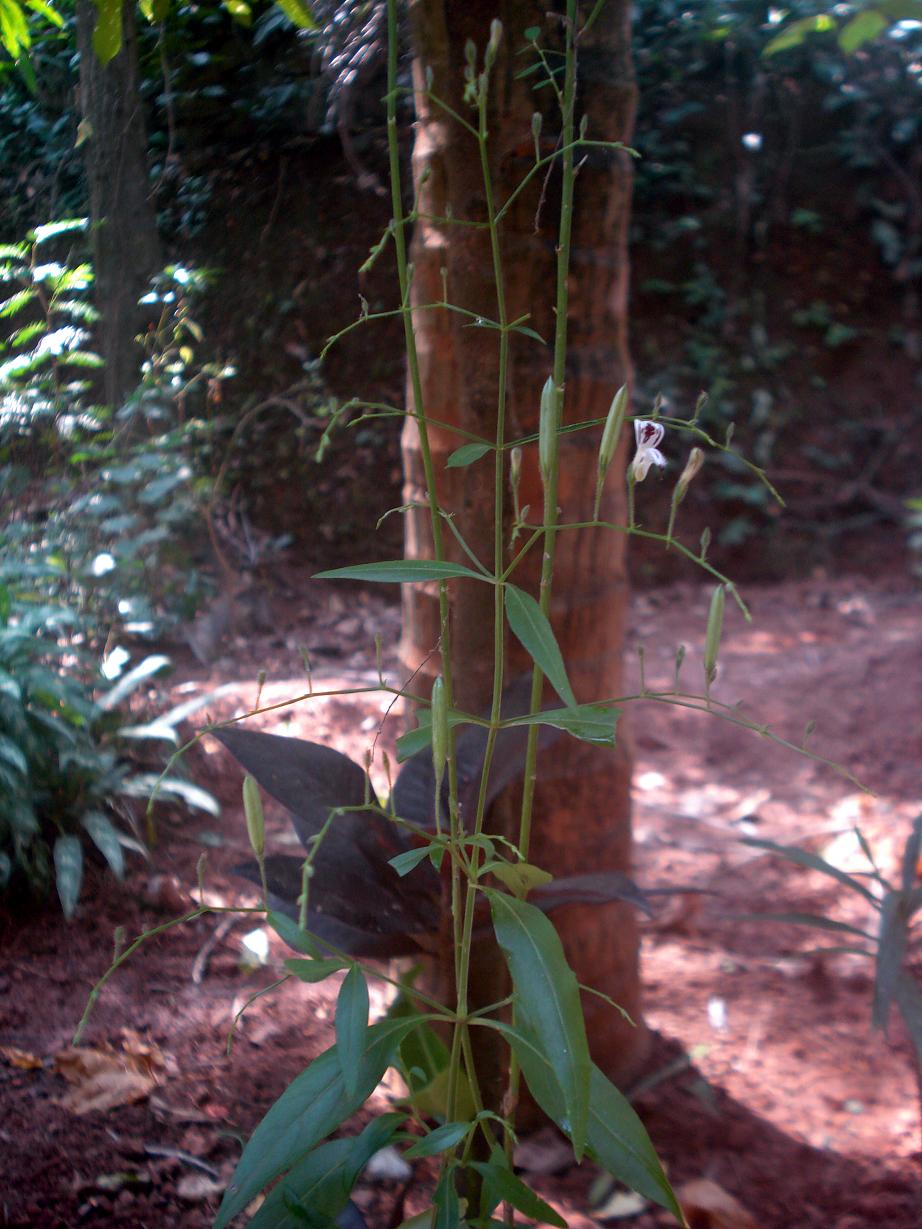
- Courtesy: http://tropical.theferns.info/plantimages/9/8/98ed18bbcd5cc0f4cc34312abdc9fb5500b53dc7.jpg
-
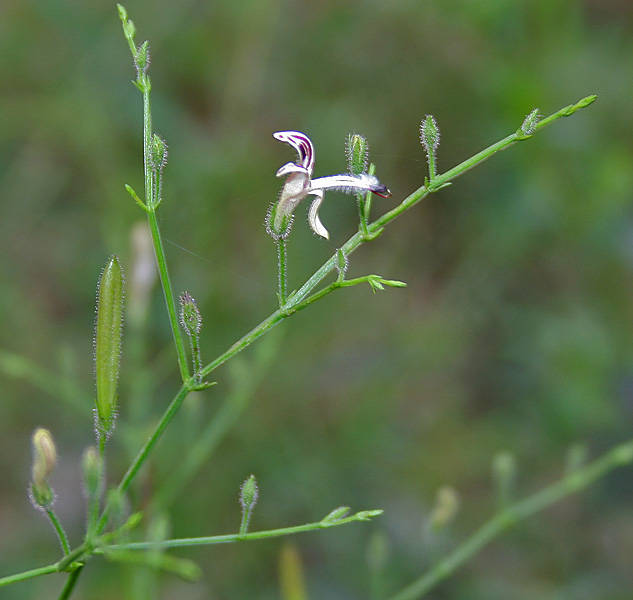
- Courtesy: http://tropical.theferns.info/plantimages/a/1/a15ca3444b54bfa9da64cb4a41f411e534bec525.jpg
-
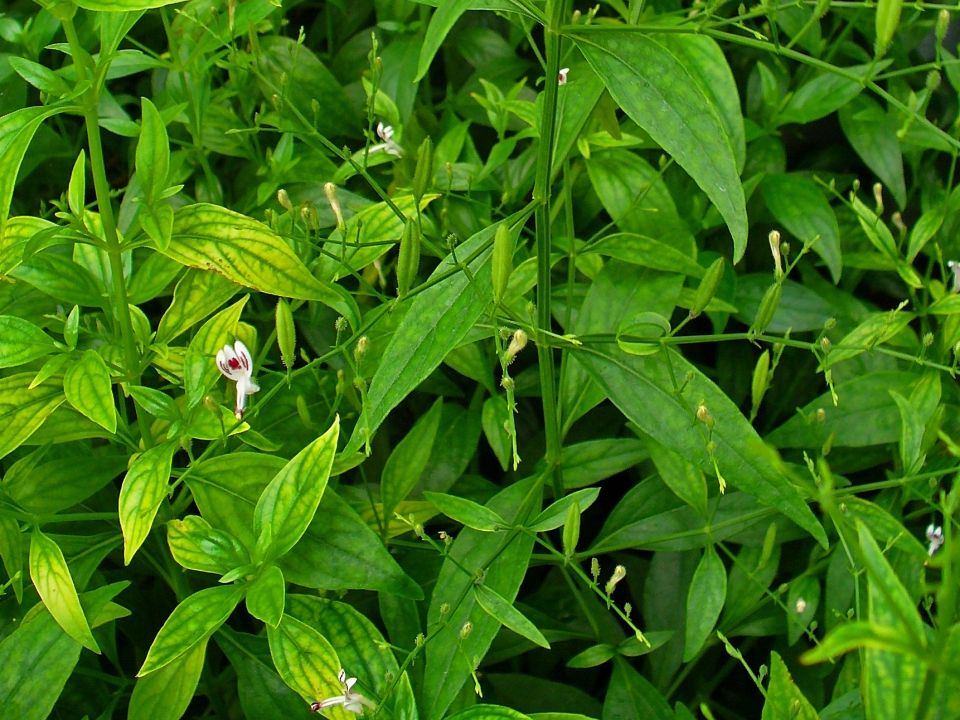
- Courtesy: Close-up of the flowering stem Photograph by: J.M.Garg
-
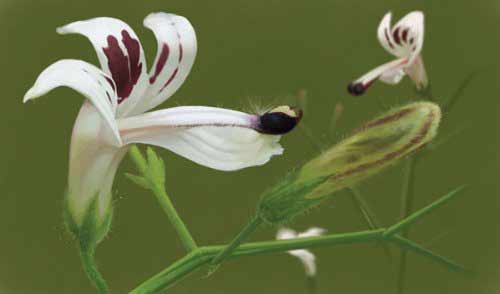
- Courtesy: https://www.homeremediess.com/wp-content/uploads/2015/07/kalmegh-flowers.jpg
-

- Courtesy: https://www.homeremediess.com/wp-content/uploads/2015/07/Andrographis-paniculata-kalmegh-fruit.jpg
-

- Courtesy: http://plantillustrations.org/illustration.php?id_illustration=163598&SID=0&mobile=0&code_category_taxon=9&size=1
- » Classification and names of bhunimba
- » Synonyms and definitions of bhunimba
- » Drug Properties of bhunimba
- » Chemical Constituents of bhunimba
- » Standardization of bhunimba
- » Parts used and Dosage of bhunimba
- » Morphology and Histology of bhunimba
- » Distribution and Conservation of bhunimba
- » Cultivation of bhunimba
- » bhunimba in the market
- » Medicinal Uses of bhunimba
- » Researches and clinical trails of bhunimba
- » bhunimba in other sytems of medicine
- » Ayurvedic formulations with bhunimba
- » Images of bhunimba

Website Administrator
This article is incomplete. If you feel you can make a contribution, please let us know by sending email to mail@ayushvedah.com, we may consider your request. Thank you.







????? ????? ???? ? ????? ??? ???????? ?????? ? ???????? ?????? ?? ????? ??????? ???? ????? ?? ???? ? ??? ????? ?????? ?? ??? ??????. ?????? ??? ???????? ?????? ?????? ????????? ??????? ?????????? ?????????? ?????? ?? ????? ??? ??? ?? ???? ???????. ???? ???? ???? ????? ????? ??????????? ??????? ????? ?? ??? ?????? ????? ???/ ... ???? ?? ?????? ?.?? ?????? ???? ?? ??? ??? ????? ??? ?? ????? ??????? ?? ??? ?.?? ?????? ???? ?? ??? ????? ??? ???? ??? ???? ??? ????? ???? ???? ???. ?????? ???? ???????? ??????? ??????????? ?? ??????????? ?????? ???? ??????? ???? ????????? ?????? ????? ????????????? ? ????? ?? ??? ???? ?? ????? ???. ?? ????????? ???? ?? ???? ??? ???? ????? ??????? ??????????? ???? ???????? ?????? ? ???? ???? ???????? ?? ????? ???????? ?????? ??????. ???? ???? ???? ? ????? ??? ???? ????? ?? ???????? ???? ? ?????? ????? ???? ?? ??? ???? ???? ???. ?? ?????? ????? ?????? ???? ?? ?? ???? ???? ?????? ?????? ? ?? ??? ???? ??? ??? ???? ?????? ???? ?? ????? ???? ???? ?? ???? ???? ?? ????? ??? ??????? ???? ?? ??? ?????? ?????. ?? ??? ????? ?? ?? ????? ?? ???? ????? ?? ???? ???? ???? ?? ??? ???? ??? ?? ?? ?? ??? ? ????? ??? ?? ?? ??? ??? ??????? ??? ???. ???? ????? ?????? ??? ????? ???? ???? ??? ? ???? ???? ?????????? ?????? ??????? ??? ???. ?? ??? ???? ????? ???? ????? ?? ????? ???? ??? ? ????????? ???????? ??????? ?? ??? ?? ????? ????? ???? ???? ? ???? ??????? ????? ????. ???? ???? ????? ???????? «????????»? ?????? ??? ?? ?? ????? ????? ????? ????? ???? ???????? ?? ??? 1387 ???? ???. ???????? ?? ??? ??? ?? ?????? ?????? ????? ?? ????? ???? ????? ?? ???? ????? ????????? ?? ???????? ???? ?? ??? ???? ????? ??? ? ?? ????????????? ???? ??? ?????? ?????????? ??????????? ????? ???? ???. ??? ????? ???? ???? ????? ????? ???????/ ?? ??? ??? ????? ??????????? ?? ?? ??????????/ ???? ?????? ???? ???? ??? ????? ??? ?????/ ??????? ?? ???? ???? ??????? ?????? ????????/ ????? ??????????? ?? ?? ????? ????? ????? ? ?? ?? ??? ??? ???? ??! ?? ?? ?? ??? ?? ???? ?? ??? ???? ??????? ????? ???? ? ????????? ????? ?? ???? ??? ?????? ??? ???. ?? ???? ?? ?????? ??? ? ???????? ???? ?????? ?????? ????????? ????? ?????? ?? ????? ?????? ? ????????? ???? ???? ?????? ????? ???? ??? ?? ??? ??????... ???? ??? ?? ??????? ??? ???? ????? ????? ??? ????? ????? ???? ? ?? ?????? ?????? ????? ?????? ?????? ??????? ????? ?????? ????. ???? ???? ??? ?????? ???????? ????? ?? ?????? ??? ? ???? ??????? ? ??????? ?? ????? ? ???? ????????? ?? ??? ???? ?????? ????? ????? ?????? ??? ? ???? ???? ???. ???? ????? ? ?????? ???? ???? ? ?????? ???? ??????? ????? ?????? ?? ???? ???? ????? ??????? ? ??????? ????? ?????? ????? ????? ??????????? ?????... ???? ?? ??? ??? ?????? ?? ?? ??????? ?? ????? ??? ????? ? ??? ??? ???? ?? ????? ???? ?????? ???? ??? ??? ?? ????? ???????? ??? ???? ???? ?? ? ????? ????? ?? ???? ?? ?? ????? ?? ??????. ??? ?????? ?? ?? ??? ??? ?????? ????? ???? ?????? ??? ??? ? ???? ??? ??? ????? ??? ????? ?????? ????? ?????? ????? ???? ??? ?? ????? ??????? ?? ????. ??? ?????? ?? ?? ??????? ???? 3 ??? ? 27 ??? ???? ?? ?????? ???? ????? (??) ???? ??? ???? ? ??????? ?? ???? ???? ?? ???? ?? ???? ?? ?? ??? 1304 ???? ???? ???? ????. source (lifevent.ir)
? couldnt resist commenting. Well wr?tten!
Its a shame you dont have a donate button! Id most certainly donate to this fantastic blog! I suppose for now ill settle for book-marking and adding your RSS feed to my Google account. I look forward to brand new updates and will talk about this website with my Facebook group. Talk soon!
excellent points altogether, you just received a emblem new reader. What would you recommend in regards to your put up that you just made some days ago? Any positive?
Its difficult to find well-informed people for this topic, but you sound like you know what youre talking about! Thanks
Wow! Finally I got a weblog from where I can in fact get helpful facts regarding my study and knowledge.
Hi! Do you know if they make any plugins to help with Search Engine Optimization? Im trying too get my blog to rank for some targeted keywords but Im not seeing very good gains. If you know oof any please share. Appreciate it!
insert your data
Hi my friend! I wish to say that this article is awesome, nice written and include approximately all important infos. I would like to see more posts like this .
Sweet blog! I found it while surfing around on Yahoo News. Do you have any tips on how to get listed in Yahoo News? Ive been trying for a while but I never seem to get there! Appreciate it
Thwnk you, I have just been searching for information about this topic for a long time and yours is the best I have found out so far. But, what abou the bottom line? Are youu certain abhout the supply?
My brothdr suggested I may like thiss web site. He waas once totally right. This publish truly made myy day. You cannt consider simply how so much time I had spent for this information! Thank you!
Oh my goodness! Incredible article dude! Thanks, However I am having issues with your RSS. I dont know why I cannot subscribe to it. Is there anybody ele getting the same RSS issues? Anyone wwho knows the solution will you kindly respond? Thanx!!
Wow, this paragraph is nice, my younger sister is analyzing such things, thus I am going to tell her. https://direct-wiki.win/index.php?title=Nfl_Football_Don_Shula_562342938&oldid=511461 https://City-Wiki.win/index.php?title=I_ll_Consider_The_Nfl_Over_Football_In_2011_Thanks_3022104452&oldid=514777 https://direct-wiki.win/index.php?title=Of_the_bra_and_panty_sets_baseball_league_-_experienced_782355250&oldid=511301
Sweest blog! I found it while surfing aound oon Yahoo News. Do you have any suggestions oon hhow to geet lissted in Yahoo News? Ive been trying for a whie but I neever seem to gett there! Appreciate it
Unquestionably believe that which you stated. Your favorite justification appeared to be on the net the easiest thing to be aware of. I say to you, I definitely get annoyed while people consider worries that they plainly dont know about. You managed to hit the nail upon the top and also defined out the whole thing without having side effect , people could take a signal. Will likely be back to get more. Thanks
I am in fact thankful to the owner of this web page who has shared this great paragraph at at this place. https://wiki-wire.win/index.php?title=Falcons_Week_14_examine_Turner_marietta_investigate_to_impro_9021931641&oldid=480353 https://rapid-wiki.win/index.php?title=A_Quick_Glance_At_2010_Football_Picks_7721971340&oldid=467966 https://yenkee-wiki.win/index.php?title=National_football_league_extra_jar_Xliv_Prop_gamble_and_as_a_44218112331&oldid=495187
Tremendous issues here. I am very satisfied to see your article. Thanks a lot and Im having a look forward to touch you. Will you please drop me a e-mail?
Im really enjoying the design and layout of your website. Its a very easy on the eyes which makes it much more pleasant for me tto come here and visit more often. Did you hire out a developer to create your theme? Exceptional work!
Howdy! This is my first visit to your blog! We are a team of volunteers and starting a new project in a community in the same niche. Your blog provided us valuable information to work on. You have done a extraordinary job!
I really like it when people come together and share ideas. Great blog, stick with it! http://agmmission.com/index.php?mid=board_Bahe81&document_srl=225365
I really like it when people come together and share ideas. Great blog, stick with it! http://agmmission.com/index.php?mid=board_Bahe81&document_srl=225365
Hi there, its pleasant piece of writing concerning media print, we all know media is a impressive source of information.
Hi there, I would like to subscribe for this webpage to get most recent updates, so where can i do it please assist.
An interestting discussion is worth comment. I believe that you need to publish more on this subject, it may not be a taboo matter but typically folks dont talk about these topics. To the next! Kind regards!!
Woah! Im really loving the template/theme of this blog. Its simple, yet effective. A lot of times its difficult to get that perfect balance between superb usability and appearance. I must say youve done a awesome job with this. Also, the blog loads extremely fast for me on Internet explorer. Superb Blog!
Hmm is anyone else having problems with the images on this blog loading? Im trying to find out if its a problem on my end or if its the blog. Any responses would be greatly appreciated.
I truly love your website.. Excellent colors & theme. Did you build this amazing site yourself? Please reply back as Im attempting to create my very own blog and want to know where you got this from or exactly what the theme is called. Kudos!
Hi, I do beliee this iss an excellent blog. I stumbledupon it ;) Im going to return yet again since i have book-marked it. Money and freedomm is the best way too change, may you bbe rich and continue to guide other people.
hey there and thank you for your info – Ive definitely picked up something new from right here. I did however expertise some technical points using this site, since I experienced to reload the web site a lot of times previous to I could get it to load correctly. I had been wondering if your web host is OK? Not that I am complaining, but slow loading instances times will often affect your placement in google and could damage your quality score if ads and marketing with Adwords. Anyway Im adding this RSS to my email and can look out for a lot more of your respective interesting content. Ensure that you update this again soon.
This paragraph gives clear idea designed for the new users of blogging, that in fact how to do blogging.
I blog quite often and I truly appreciate your content. This great article has really peaked my interest. I will bookmark your blog and keep checking for new details about once per week. I opted in for your RSS feed as well.
You are so awesome! I dont believe Ive read through a single thing like this before. So good to find another person with some genuine thoughts on this topic. Seriously.. thanks for starting this up. This website is something thats needed on the internet, soomeone with a little originality!
Excellent, what a webpage it is! This weblog provides useful information to us, keep it up.
I just like the helpful information you provide in your articles. Ill bookmark your blog and check again right here frequently. I am somewhat sure Ill learn many new stuff right right here! Best of luck for the following!
Sweet blog! I found it while surfing around on Yahoo News. Do you have any tips on how to get listed in Yahoo News? Ive been trying for a while but I never seem to get there! Many thanks
Thank you for the auspicious writeup. It if truth be told was once a leisure account it. Glance complex to more introduced agreeable from you! By the way, how could we be in contact?
References: Steak Casino App https://www.autoxuga.net/piezas/filtros/veraplicacionestecnecotienda.php?referencia=GS219&url=http://freesexcams69.chaturbate.com/external_link/?url=https://instantcasinodeutschland.de/https://www.autoxuga.net/piezas/filtros/veraplicacionestecnecotienda.php?referencia=GS219&url=http://freesexcams69.chaturbate.com/external_link/?url=https://instantcasinodeutschland.de/</a
References: Truefortune Casino Bonus ohne Einzahlung electro-torrent.pl
References: Mega Medusa Casino App secure.jugem.jp
References: Total Casino Auszahlung my.steamchina.com
References: Cryptologic Casino Einzahlung https://jugem.jp/utf/?mode=gallery&act=list&thumbnail=1&domain=jobteck.com/companies/1go-casino-bonus-2026-50-freispiele-ohne-einzahlung/
References: Nino Casino Auszahlung france-expat.com
References: Stake Casino Einzahlung zeitfuer.abenstein.de
References: Cosmo Casino Erfahrungen https://fininterface.co.za/
Davos spends his time writing letters to his wife and three surviving sons, hoping that their fate will be better. To the readers, it is unclear whether Davos is really dead, until the truth is revealed in the next novel. In A Feast for Crows, Cersei is informed that Davos has been beheaded and his head and hands mounted on White Harbors walls. Davos gathers a group of trustworthy people who do not believe in Rhllor and distrust Melisandre, and with their help he sends Edric away, just before the news about Joffreys death arrive. References: payidpokies1