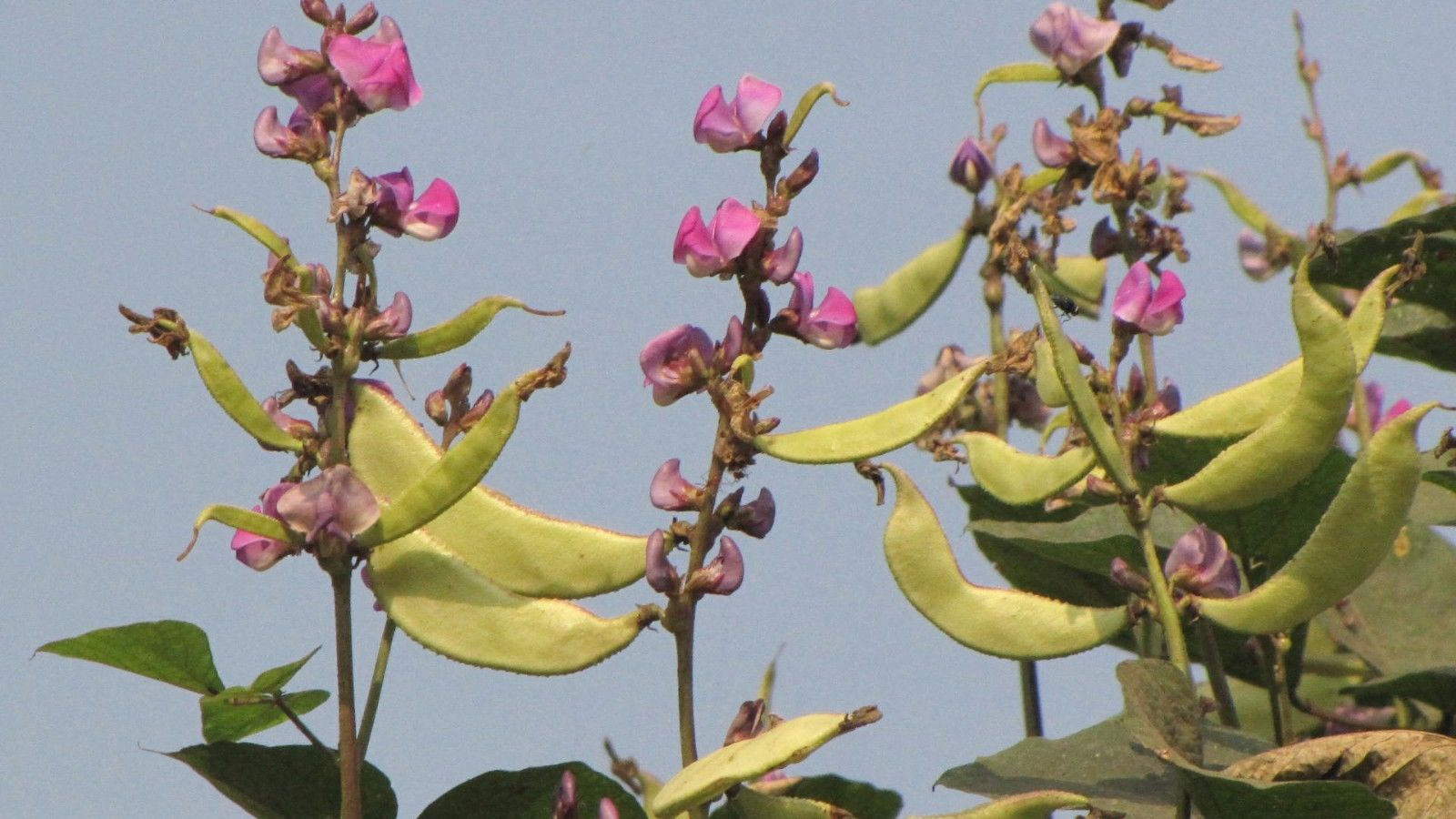
barahi :

General Use:
- In the wild, tubers, when fresh, are bitter.- Cultivated tubers are less or non-bitter.
- Tubers considered tonic, expectorant, aphrodisiac and anthelmintic.
Therapeutic Uses:
Varahi choorna mixed with taila is applied externally in naadi vrana (S.Chi) Varahikanda choorna along with
madhu is consumed internally every
day for one month followed with
ksheera and shaali bhojana, acts as rasayana.(S.U)
Varahikanda siddha ghrita withDraksha, Masha, Ashwagandha,
Kadaliphala and Vamsalochana is indicated in stree roga and Asthi roga.
(S.Y.)
Varahyadi Ghrita along with sugar and
honey given internally relieves yoni roga. (S.Y) Varahyadi ghrita used for bastikarma in
yoni rogas ( S.Y)
Systemic Use:
-The dried and powdered tubers of Varahikanda also possess medicinal applications as they can be used to heal ulcers, piles and dysentery. The bulbils of Varahikanda are used externally to promote healing of sores.Administration:
-powdered root tuberPharmacological:
Balya, Pittakara, Rasayana, Svarya, Vrsya, Varnya, Slesmaghna, Ayurvardhana, Agnivrddhikara , Krmi, Kandu, Kustha, Prameha- » Classification and names of barahi
- » Synonyms and definitions of barahi
- » Drug Properties of barahi
- » Chemical Constituents of barahi
- » Standardization of barahi
- » Parts used and Dosage of barahi
- » Morphology and Histology of barahi
- » Distribution and Conservation of barahi
- » Cultivation of barahi
- » barahi in the market
- » Medicinal Uses of barahi
- » Researches and clinical trails of barahi
- » barahi in other sytems of medicine
- » Ayurvedic formulations with barahi
- » Images of barahi

Website Administrator
This article is incomplete. If you feel you can make a contribution, please let us know by sending email to mail@ayushvedah.com, we may consider your request. Thank you.