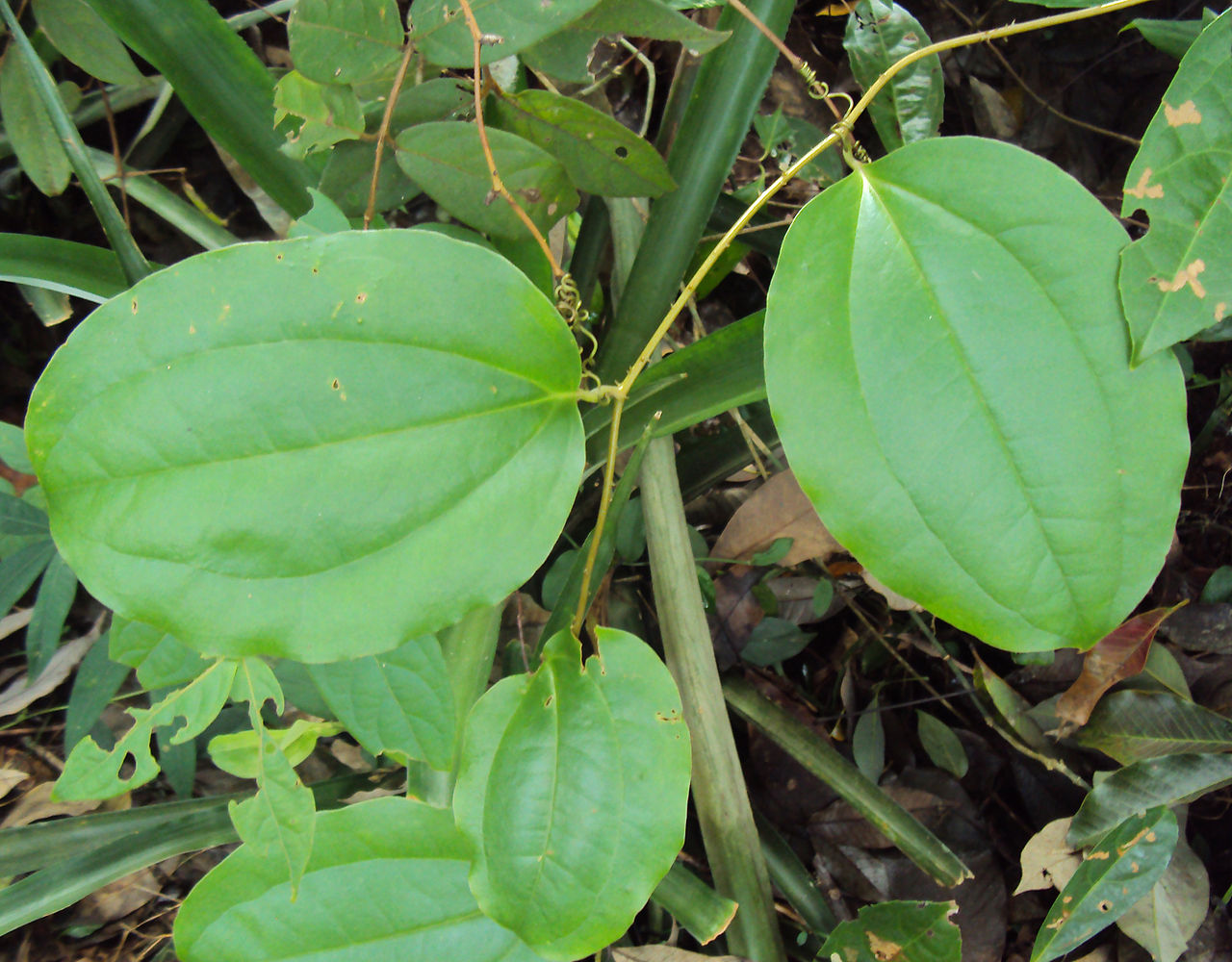
badara :

Cultivation:
The tree tolerates a wide range of temperatures and rainfall, though it requires hot summers and sufficient water for acceptable fruiting. Unlike most of the other species in the genus, it tolerates fairly cold winters, surviving temperatures down to about −15 °C (5 °F) and the tree is for instance commonly cultivated in Beijing. This enables the jujube to grow in mountain or desert habitats, provided there is access to underground water throughout the summer. The jujube, Z. jujuba grows in cooler regions of Asia. Five or more other species of Ziziphus are widely distributed in milder climates to hot deserts of Asia and Africa.Propogation:
Sex distribution :
Ziziphus jujuba is bisexual (each flower of each individual has both male and female structures)
Mode of pollination :
Ziziphus jujuba is pollinated by a wide variety of insects.
Seed dispersal :
The seeds of Ziziphus jujuba are mainly dispersed by frugivorous birds and mammals.
Harvesting:
Flowering season : From June to November.
Fruiting season : From December to April.
Seeding season : From December to April.
Leaves falling : During the hot season.
- » Classification and names of badara
- » Synonyms and definitions of badara
- » Drug Properties of badara
- » Chemical Constituents of badara
- » Standardization of badara
- » Parts used and Dosage of badara
- » Morphology and Histology of badara
- » Distribution and Conservation of badara
- » Cultivation of badara
- » badara in the market
- » Medicinal Uses of badara
- » Researches and clinical trails of badara
- » badara in other sytems of medicine
- » Ayurvedic formulations with badara
- » Images of badara

Dr Mohamed Rifas
A dual country licensed Ayurveda Physician, currently working in Dubai as Head of Ayurveda and Yoga department. He also works as visiting doctor for Dr Hassan Ayurveda Brain and Spine Specialty Hospital. He is specialized in joint issues, brain and spine related issues and gastrointestinal issues with respect to anxiety.
Doctor profile: Click here