anannas :
Morphology:
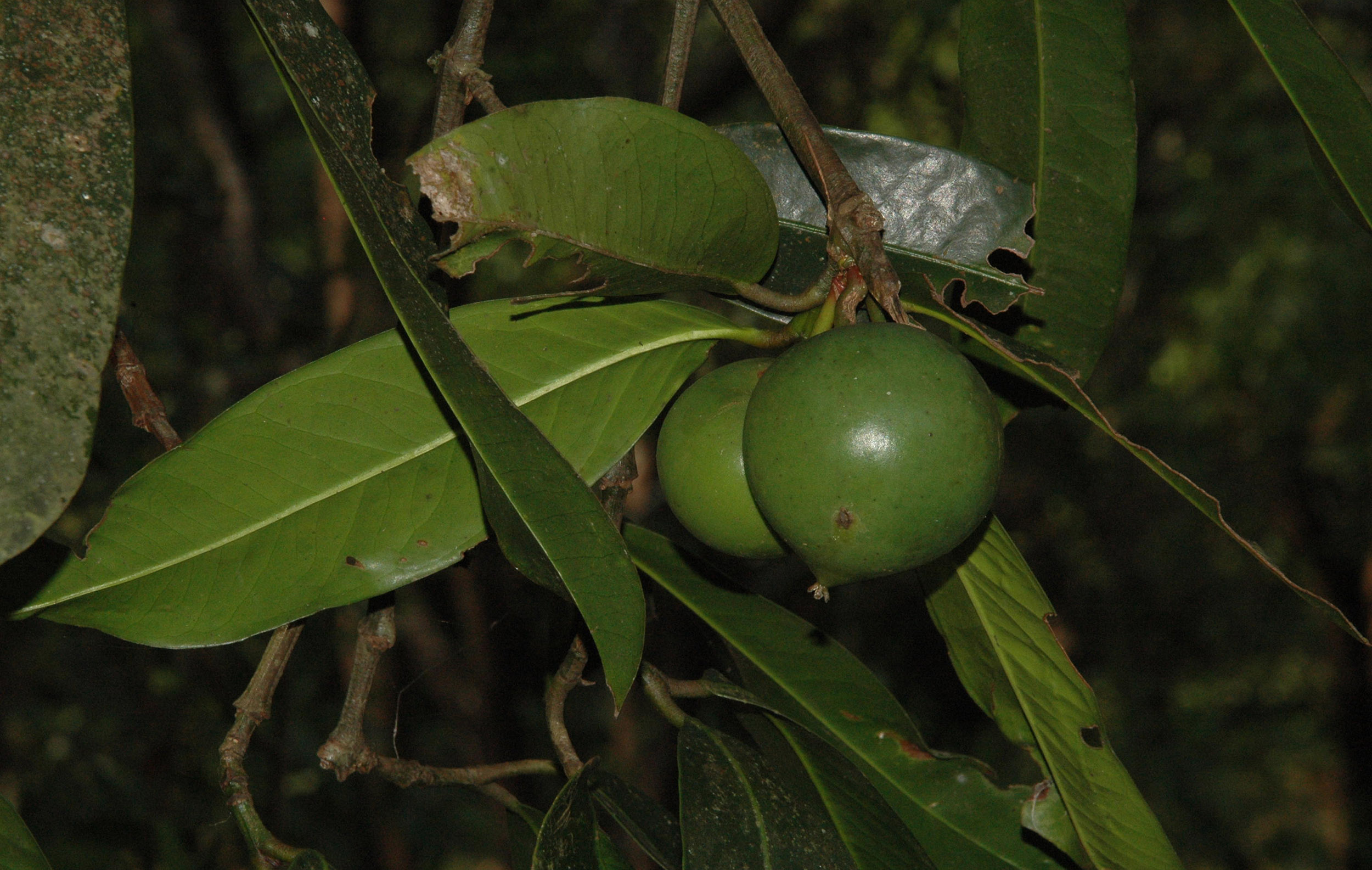
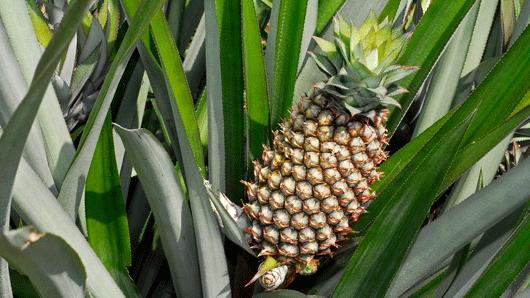
Piña is a fruit bearing tropical plant with an erect stem, 0.5 to 1.5 meters high. Leaves are numerous, linear-lanceolate, 1 to 1.5 meters long, 5 to 7 centimeters wide, the margins sharply spiny-toothed, green and shiny on the upper surface, pale beneath. Leaves subtending the inflorescences are red, at least at the base and much reduced. Heads are terminal, solitary, ovoid, 6 to 8 millimeters long, much enlarged in fruit; with the bracteoles reddish, numerous, triangular-ovate to oblong-ovate, acute and imbricated. Sepals are ovate, thick and fleshy, about 1 centimeter long. Petals are three, oblanceolate, about 2 centimeters long, white below, violet-purple above. Mature fruit is up to 20 centimeters or longer.
Histology:
The ovaries develop into berries, which coalesce into a large, compact, multiple fruit. The fruit of a pineapple is arranged in two interlocking helices, eight in one direction, 13 in the other, each being a Fibonacci numberStomata
Stomata are pores in the leaves that can open and close to the atmosphere. Carbon
dioxide enters the plant through the stomata whilst moisture and oxygen leave
through them. There are relatively few stomata per unit of leaf area, plus they are
small and situated mainly on the underside of the leaves in depressed channels.
Because they are small, deep and protected by a heavy coat of waxy trichomes, the
plant has a very low rate of transpiration (water loss).
- » Classification and names of anannas
- » Synonyms and definitions of anannas
- » Drug Properties of anannas
- » Chemical Constituents of anannas
- » Standardization of anannas
- » Parts used and Dosage of anannas
- » Morphology and Histology of anannas
- » Distribution and Conservation of anannas
- » Cultivation of anannas
- » anannas in the market
- » Medicinal Uses of anannas
- » Researches and clinical trails of anannas
- » anannas in other sytems of medicine
- » Ayurvedic formulations with anannas
- » Images of anannas

Website Administrator
This article is incomplete. If you feel you can make a contribution, please let us know by sending email to mail@ayushvedah.com, we may consider your request. Thank you.