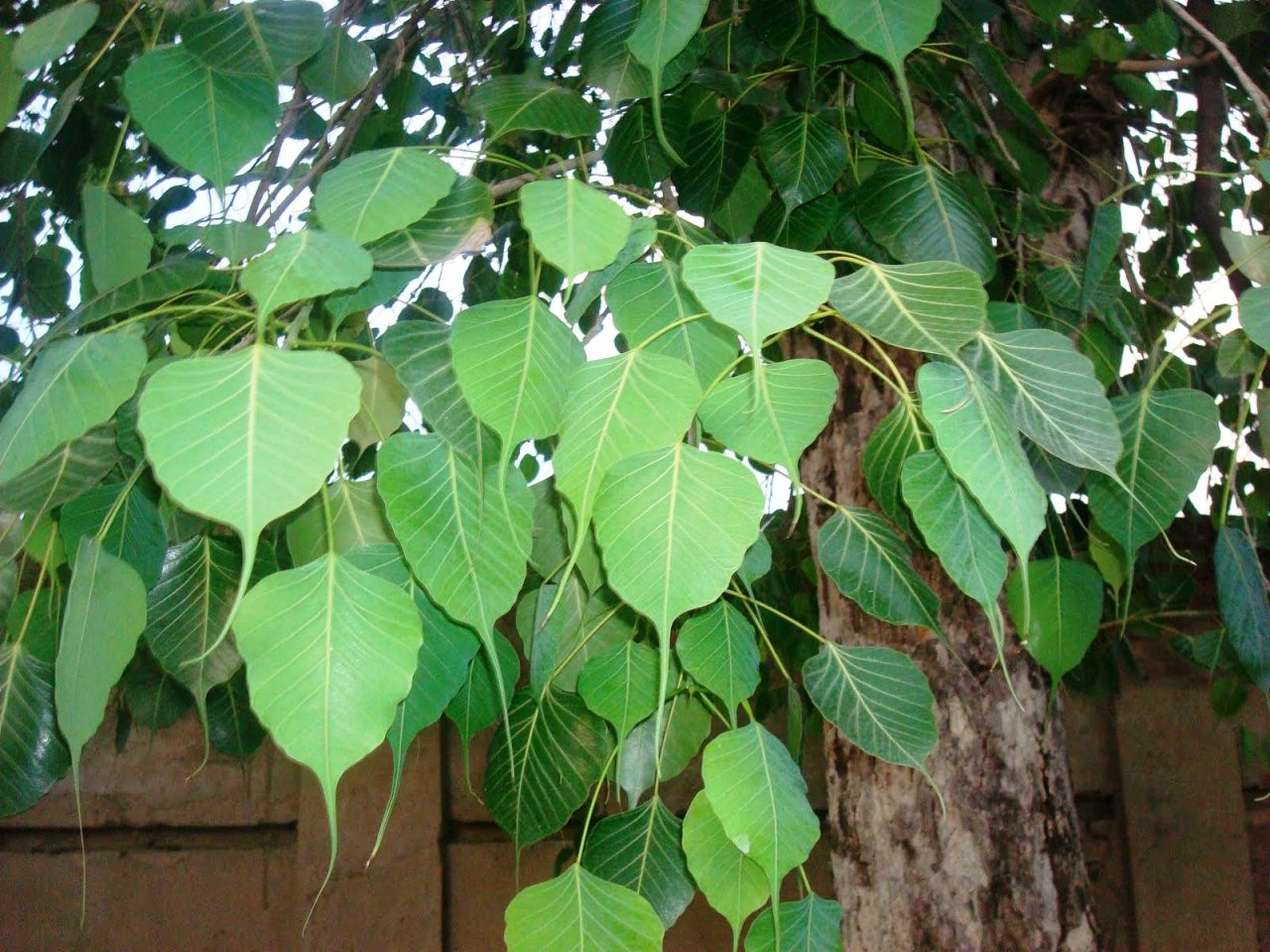
krishnacandana :

Phytochemistry:
Bioactive compounds
The primary bioactve ingredient in Coscinium fenestratum is berberine, but also palmatine and jatrorrhizine.
The major alkaloids are yellow crystalline berberine, protoberberine and jatrorrhizine (Fig. 2). Many other alkaloids, mainly of the protoberberine type, isolated from stem and root are magnoflorine, berberrubine, thalifendine, palmitine and oxyberberine (Katti and Shintre, 1930; Child and Nathanael, 1943; Varier and Pillai, 1943; Siwon et al., 1980; Jayaweera, 1982; Malhotra et al., 1989; Pinho et al., 1992; Agusta, 2003; Anonymous, 2005). The stem and root also contain ceryl-alcohol, saponin, hentriacontane, sitosterol, palmitic acid, oleic acid and sitosterol glucoside (Katti and Shintre, 1930; Siwon et al., 1980; Anonymous, 2001). The total extractives are: petroleum ether 2.1%, ether 2.5%, alcohol 6.9%, chloroform 3.4%, acetone 4.1%, benzene 2.7% and water 5.1% (Kolammal, 1978; http://www.ibiblio.org). Other compounds reported from the stem and root are N,N-dimethyllindacarpine (Siwon et al., 1980), oxypalmitine, (-)-8-oxotetrahydrothalifendine, (-)-8-oxoisocorypalmine, (-)-8-oxothaicanine, (-)-8-oxo-3-hydroxy-2,4,9,10-tetramethoxyberberine, (-)-8-oxocanadine (Pinho et al., 1992), 12,13-dihydro-8-oxoberberine,5,6,13,13a-tetrahydro-9,10,dimethoxydibenzo(a,g) 1,3-benzodioxolo(5,6a) quinalizine-8-one, stigmasterol (Malhotra et al., 1989), berlambine, dihydroberlambine and noroxyhydrastinine (Datta et al., 1987).
PHARMACOLOGY:
Hypoglycemic activity was exhibited by the alcoholic stem extract of Coscinium fenestratum for the treatment of diabetes mellitus evaluated in streptozotocin-nicotinamide induced type 2 diabetic rats (Mahapatra, 1997; Punitha et al., 2005; Shirwaikar et al., 2005a) and also by the aqueous stem extract in non-insulin dependent diabetic rats (Shirwaikar et al., 2005b). A 50% ethanolic extract of the stem material has been found to possess hypotensive action in anaesthetised dogs, rats and guinea pigs in a dose-related pattern (Singh et al., 1990). The water extract from C. fenestratum is effective in reducing blood pressure in anesthetized normotensive rats (Wongcome et al., 2007). Antioxidant effect of methanolic extract of the stem powder was studied by Venukumar and Latha (2002) in carbon tetrachloride-intoxicated rat liver and by Punitha et al. (2005) in streptozotocin-nicotinamide induced type 2 diabetic rats. Anti-hepatotoxic activity of methanolic extract of the stem was confirmed against carbon tetrachloride-induced hepatopathy in rats (Venukumar and Latha, 2004). Antinociceptive effects on mouse formalin test have also been studied (Chitra et al., 2004). Methanolic extract had the strongest in vitro antiplasmodial activity with EC(50) value of 0 .5 μg mL-1, inhibiting the growth of the chloroquine-resistant Plasmodium falciparum strain FCR-3 with EC(50) values less than 10 μg mL-1 (Tran et al., 2003). The polar components of C. fenestratum are cytotoxic against laryngeal cancer cell lines (http://pharmacy.swu.ac.th). Neurotoxicity of the stem has been studied by Wattanathorn et al. (2006). The alcoholic stem extract also possesses good hypolipidemic activity (http://www.freshpatents.com).
Methanolic, methanol-water and water extracts of C. fenestratum was tested for their antiproliferative activities against human HT-1080 fibrosarcoma cells. Among these methanol extracts and methanol-water (1:1) extract exhibited antiproliferative activities in a concentration-dependent manner. C. fenestratum showed selective activity against lung carcinoma and lung metastatic cell lines, A549, LLC and B16-BL6. Characteristic morphological change and DNA fragmentation indicated the antiproliferative activity to be due to the induction of apoptosis (Ueda et al., 2002).
The ethanolic extract of C. fenestratum significantly suppressed in vitro anti-herpes simplex virus type 1 (HSV-1) plaque formation in Vero cells (Ekalaksananan, 2006). Extracts of Coscinium showed strong antifeedant activity against the fourth instar larvae of Mexican bean beetle, Epilachna varivestis Muls., Coccinellidae (Jayasinghe et al., 2003). The aqueous and alcoholic extracts of the stem exhibited antibiotic and antimicrobial activities (Ray and Majumdar, 1976; Jayaweera, 1982; Anonymous, 2001). Selective inhibitory action on Clostridium tetani was observed at a concentration of 6.25 mg mL-1 (Anonymous, 2005). Nair et al. (2005) reported that the antibacterial activity of C. fenestratum is mainly due to the presence of berberine. Pharmacological screening of an aqueous methanol (1:1) extract showed convulsant activity. In clinical tests in Vietnam, the extract also showed distinct activity on Staphylococcus aureus and Streptococcus hemolyticus, which may cause inflammation and infection especially in women after childbirth. The pharmacological effects of berberine have been fairly well investigated. It has been found active against a number of gram-positive as well as gram-negative bacteria and also against a number of fungi. It was also effective against experimentally induced intestinal amoebiasis in rats and showed growth inhibition of Ehrlich and lymphoma ascites tumour cells. Berberine is also present in high concentrations in other Menispermaceae species, e.g., in Arcangelisia flava (L.) Merr., which is used for similar complaints as C. fenestratum (Agusta, 2003).
- » Classification and names of krishnacandana
- » Synonyms and definitions of krishnacandana
- » Drug Properties of krishnacandana
- » Chemical Constituents of krishnacandana
- » Standardization of krishnacandana
- » Parts used and Dosage of krishnacandana
- » Morphology and Histology of krishnacandana
- » Distribution and Conservation of krishnacandana
- » Cultivation of krishnacandana
- » krishnacandana in the market
- » Medicinal Uses of krishnacandana
- » Researches and clinical trails of krishnacandana
- » krishnacandana in other sytems of medicine
- » Ayurvedic formulations with krishnacandana
- » Images of krishnacandana

Website Administrator
This article is incomplete. If you feel you can make a contribution, please let us know by sending email to mail@ayushvedah.com, we may consider your request. Thank you.