
bimbi :
 Bimb£ consists of the dried leaves of Coccinia grandis (L.) Voigt Syn. C. cordifolia Cogn, C.indica W &
A, Cephalandra indica Naud. (Fam. Cucurbitaceae), a monoecious perennial climber, distributed all over India and
often cultivated.
Bimb£ consists of the dried leaves of Coccinia grandis (L.) Voigt Syn. C. cordifolia Cogn, C.indica W &
A, Cephalandra indica Naud. (Fam. Cucurbitaceae), a monoecious perennial climber, distributed all over India and
often cultivated.Taxonomical Classification
Family: CucurbitaceaeVERNACULAR NAMES
Sanskrit: bimbi, rakta phala, gola, rundi, dontacchadopama , Tundi, Bimbika, OsthopamaphalaEnglish: Ivy gourd
Hindi: Kunduru, Kunru
Urdu: Kunduru
Telugu: Donda tige
Bengali: Tela Kuccha, Bimbu
Marathi: Tondlee
Oriya: Kainchi kakudi, Bano Kundri
Gujarathi: Gholam, Ghilodi, Tindoran, Kadavi Ghilodi
Tamil: Kovai
Malayalam: Koval, Kova, Nallakova
Kannada: Tonde balli
Punjabi: Kunduru, Kunduri
Synonyms
Synonyms in Ayurveda: bimbi, rakta phala, gola, rundi, dontacchadopama , Tundi, Bimbika, OsthopamaphalaRasa: Kashaya Madhura Tikta
Guna: Laghu
Veerya: Sheetha
Vipaka: Katu
Karma: Kaphapittasamaka
Phytochemistry:
Cephalandrine A, cephalandrine B, cephalandrine, β-sitosterol and triacontane.Dosage:
leaf - Svarasa(Juice) : 10 to 20 ml Curna (Powder) : 3 to 6 gstem - Curna (Powder): 3 to 6 g.
Morphology:
Bulk colour dark green; leaves brittle; simple, alternate, petiolate, exstipulate, 5 to 10 cm. long and 4 to 8 cm in width; lamina variable in size, usually 5 angled with shallow sinuses; bright green above with blackish dots on the surface and paler beneath; palmately reticulate with five main veins, base cordate, apex acute, margin more or less sinuate toothed; surface of the lamina rough.Stems pieces measuring 2 to 10 cm in length and 0.5 to 4 cm in thickness, externally ridged, grey or
greenish grey; cut surface smooth with a thin bark and abundant light coloured central wide wood; odour and taste
indistinct
Histology:
Midrib -TS of midrib is flat toward adaxial surface and ridged towards abaxial side; epidermal cells of adaxial and abaxial surface brick shaped; hypodermis adjacent to both epidermis collenchymatous; ground tissue of parenchyma containing prismatic calcium oxalate crystals; two vascular bundles present, one towards adaxial and the other towards abaxial surface; adaxial vascular bundle smaller than that of abaxial surface; xylem composed of vessels with annular and spiral thickenings, xylem parenchyma, and fibres; phloem contains sieve tubes with simple sieve plates, companion cells, parenchyma and fibres. Lamina -TS through laminar region shows that the leaf is dorsiventral; cuticle present; epidermal cells of adaxial surface slightly elongated, larger and oval where black dots representing glands present; the epidermal cells of abaxial surface are brick shaped; cuticle present; palisade layer a single row; and absent over midrib region; spongy parenchyma cells chlorenchymatous and wavy walled; xylem contains vessels with annular and spiral thickenings;epidermal cells of both adaxial and abaxial epidermis in surface view are occasionally elongated, walls thin, deeply sinuate; multicellular sessile glandular trichomes with head measuring 100 to 120 µ in diameter are present on adaxial epidermis; covering trichomes measuring 18 to 20 wide and 280 to 300 µ long, gradually tapering are sparsely distributed and are localised at the costal region of the adaxial epidermis; stomata anomocytic ; stomatal index of abaxial epidermis 20 to 25, adaxial surface 16 to 18.In TS the mature stem consists of cork, composed of stratified rectangular, tangentially elongated cells;
cortex composed of 10 to 15 layers of thin walled, isodiametric parenchymatous cells with intercellular spaces,
filled with numerous concentric starch grains, of about 5 µ in diameter; pericycle in the form of patches of fibres,
with thick walls, narrow lumen, measuring 10 to 15 µ in diameter; vascular bundles conjoint, wedge shaped,
bicollateral, phloem contains sieve tubes, companion cells, extensive parenchyma of isodiametric cells, and fibres
of 550 to 625 µ long and 12 to 18 µ width , xylem consists of vessels with reticulate and scalariform thickenings,
protoxylem elements possess annular and spiral thickenings; very short fibres upto 30 µ in width, walls very
thick with simple pits; medullary rays multiseriate, composed of 18 to 22 radially elongated with some filled
with starch grains; pith scanty, parenchymatous, cells isodiametric, thin walled.
Therapeutic Uses:
leaf - Kāmalā (Jaundice), Madhumeha (Diabetes mellitus), Puya meha (Dysuria)stem - Aruci (Tastelessness), Prameha (Metabolic disorder), Prav¢hik¢
(Dysentery), Raktapitta (Bleeding disorder)
IMPORTANT FORMULATIONS – Bimbighritam, Bimbi Guna, Bimbi Phala Guna , Bimbi Saka, Bimbi Puspam, Bimbi Phalam, Tundi Ghrt, Kunadaru
guna, Tiktatundi Guna, Bimbi (Pancanga), Bimbiphalam
- » Classification and names of bimbi
- » Synonyms and definitions of bimbi
- » Drug Properties of bimbi
- » Chemical Constituents of bimbi
- » Standardization of bimbi
- » Parts used and Dosage of bimbi
- » Morphology and Histology of bimbi
- » Distribution and Conservation of bimbi
- » Cultivation of bimbi
- » bimbi in the market
- » Medicinal Uses of bimbi
- » Researches and clinical trails of bimbi
- » bimbi in other sytems of medicine
- » Ayurvedic formulations with bimbi
- » Images of bimbi

Dr Mohamed Rifas
A dual country licensed Ayurveda Physician, currently working in Dubai as Head of Ayurveda and Yoga department. He also works as visiting doctor for Dr Hassan Ayurveda Brain and Spine Specialty Hospital. He is specialized in joint issues, brain and spine related issues and gastrointestinal issues with respect to anxiety.
Doctor profile: Click here


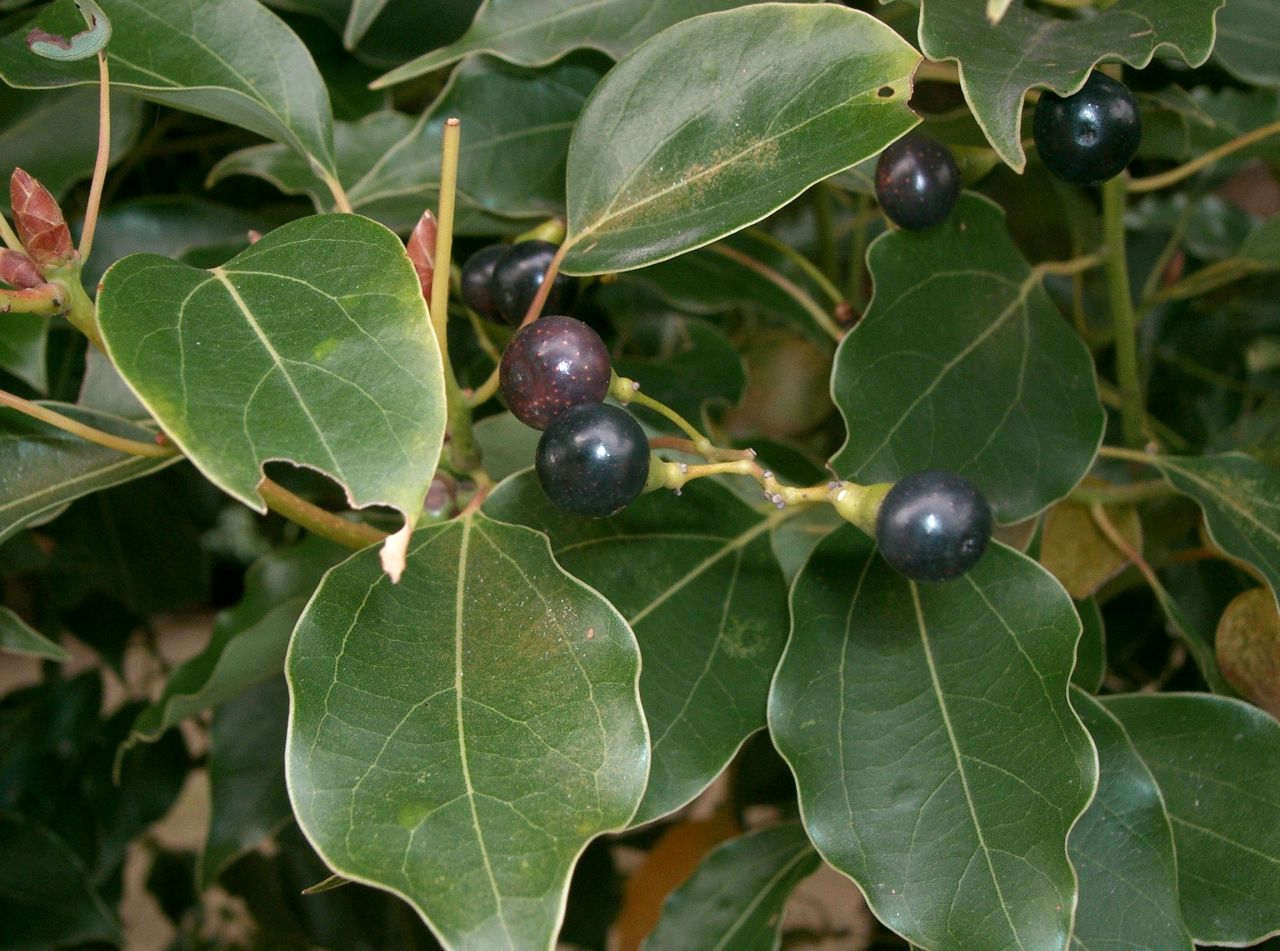

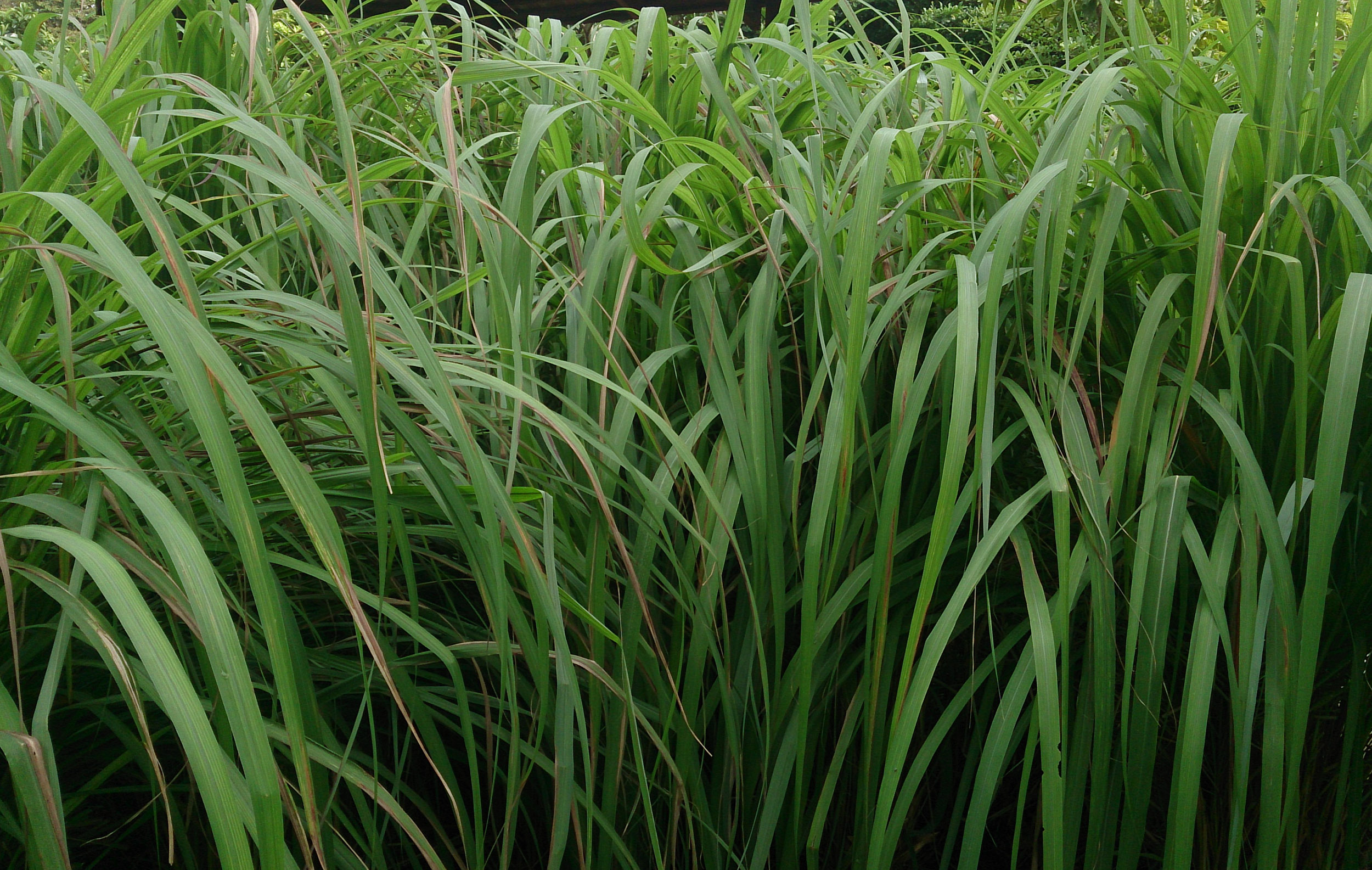


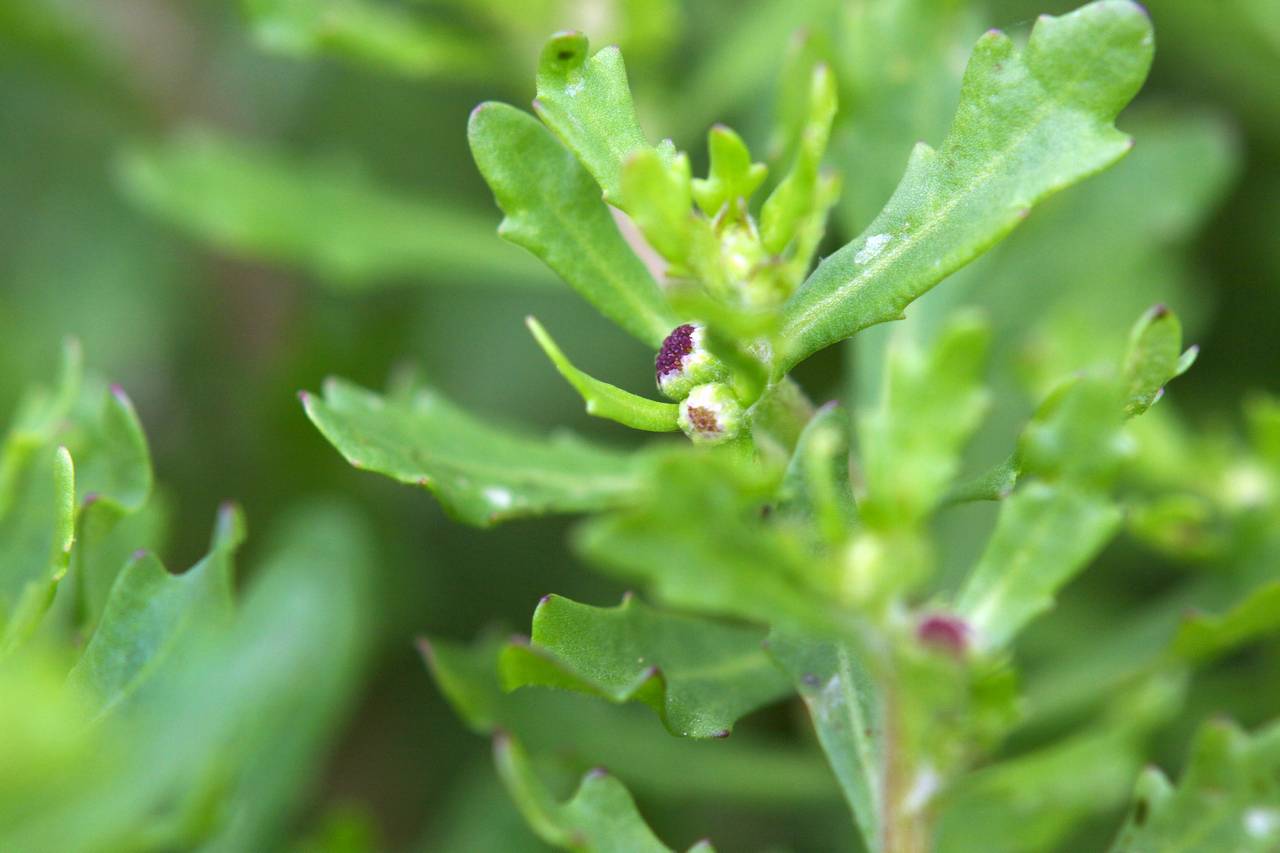


References: Spirit mountain casino oregon https://showbiza.com
References: Best casino https://git.881221.xyz/fidelgorecki22
References: Hippodrome casino https://www.tokai-job.com/
References: Wrest point casino parrots.ru
References: Winnavegas casino https://beshortlisted.com/employer/offizielle-seite-slots-und-live-casino/
References: Branson mo casinos makemyjobs.in
References: Oneida casino green bay http://www.google.ie/url?sa=t&url=https://trabajaensanjuan.com/employer/kaufe-deine-videospiele-fur-pc-und-konsolen-gunstiger
The parent club, the Australian Shepherd Club of Americas breed standard states male dogs should stand between 20 and 23 inches (51 and 58 cm) and females between 18 and 21 inches (46 and 53 cm), at the withers; the standard does allow individual animals to exceed these limits slightly. The Australian Shepherd is also believed to be descended from a variety of herding dogs imported to California with imported sheep, including collies from Australia and New Zealand. There is some speculation that these dogs included the Carea Leonés, a mountain sheepdog that can display the eye color and merle coat found in many contemporary Australian Shepherds. It is commonly used to check system specs for gaming compatibility, diagnose display and audio issues, and share hardware details with tech support. It displays detailed information about DirectX components, display adapters, sound devices, and input hardware. Clicking No when asked about digital signature checking speeds up the load time significantly. The Sound tab shows the same information for your audio hardware — device name, driver version, and driver date. References: payidpokies1
References: Hard rock casino tampa https://stevemaclellan.com/
casino oyunlari References: https://gitea.jsjymgroup.com/andycarden6157
tennessee casinos References: matkafasi.com
tropicana casino online References: pad.stuve.de
References: Genting casino glasgow https://equal-page.free.nf/press/forum/topic/casinos-that-accept-osko-in-2026/
gran casino barcelona References: --7sbbadd3bcs2bci2a4r.??
live casino direct References: https://myreadinglists.com/News/fast-payout-casinos-australia-2026-5-best-online-casinos-with-instant-aud-withdrawals-real-money-pokies-movi/
References: Payid casino no deposit australia https://forum.tinola.org/d/229-best-payid-casinos-australia-2026-real-money-fast-withdrawals