chagakarna :
Taxonomical Classification
Kingdom: Plantae - Plants
Class: Magnoliopsida - Dicotyledons
Family: Combretaceae
Genus: Terminalia
Species: Terminalia crenulata
VERNACULAR NAMES
Sanskrit: chagakarnahEnglish: black murdah
Hindi: asan ,साज Saj
Telugu: nallamadi
Marathi: asan, marti ,साताडा Satada, अयन Or आईन Or ऐन Ain, असण Or असणा Asan, शार्दूल Or शार्दूळ Shardul Oriya
Gujarathi: સાદડ Sadad
Tamil: karu marutha, karu-maruthu, karumaruthu
Malayalam: karimaruthu, kuramaruthu, mathi, thembavu, thenpavu
Kannada: kudure kivichanar, matti
Synonyms
Synonyms in Ayurveda: chagakarna, asanaParts used for medicinal purpose
Bark, ,Morphology:
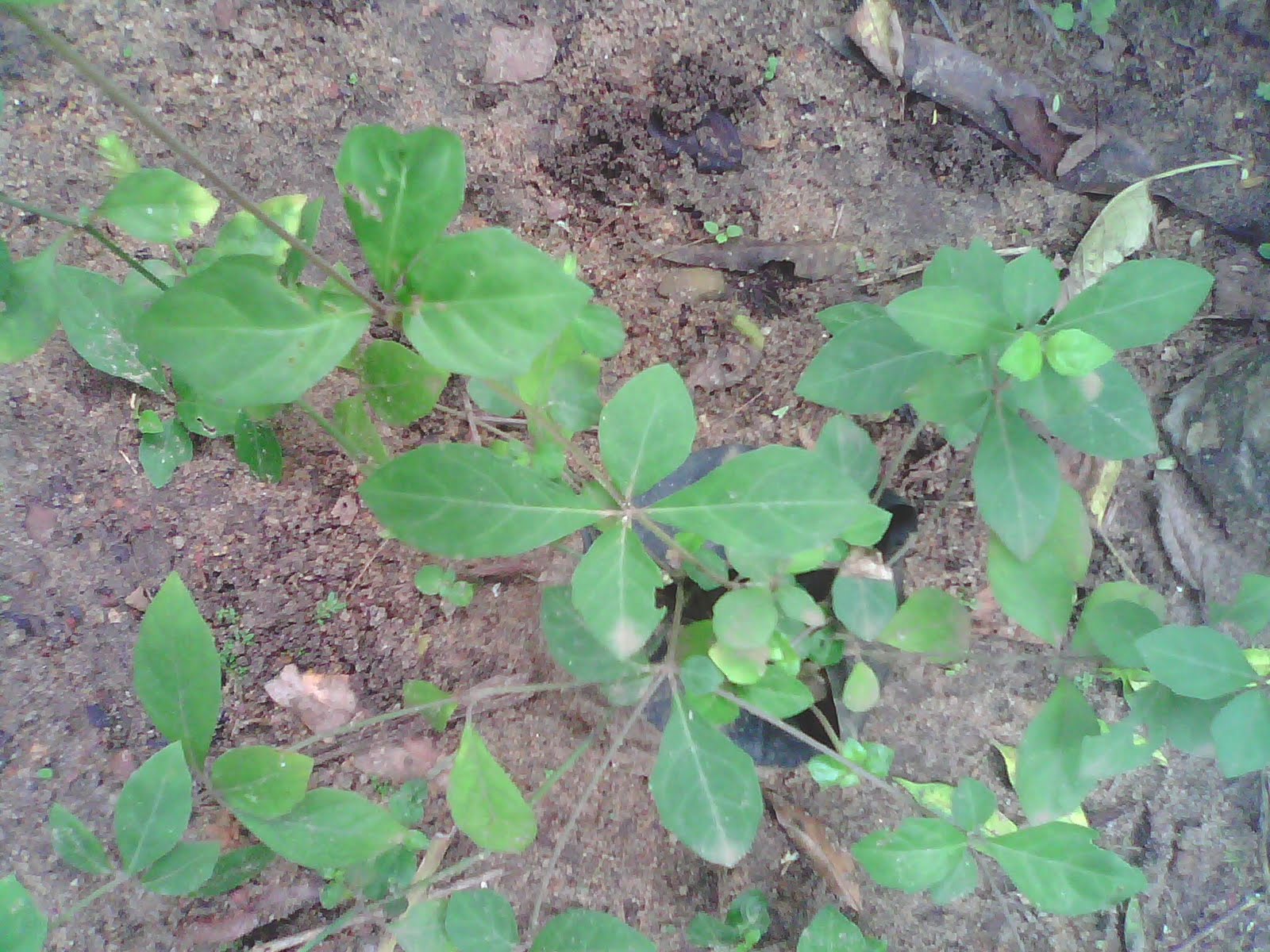
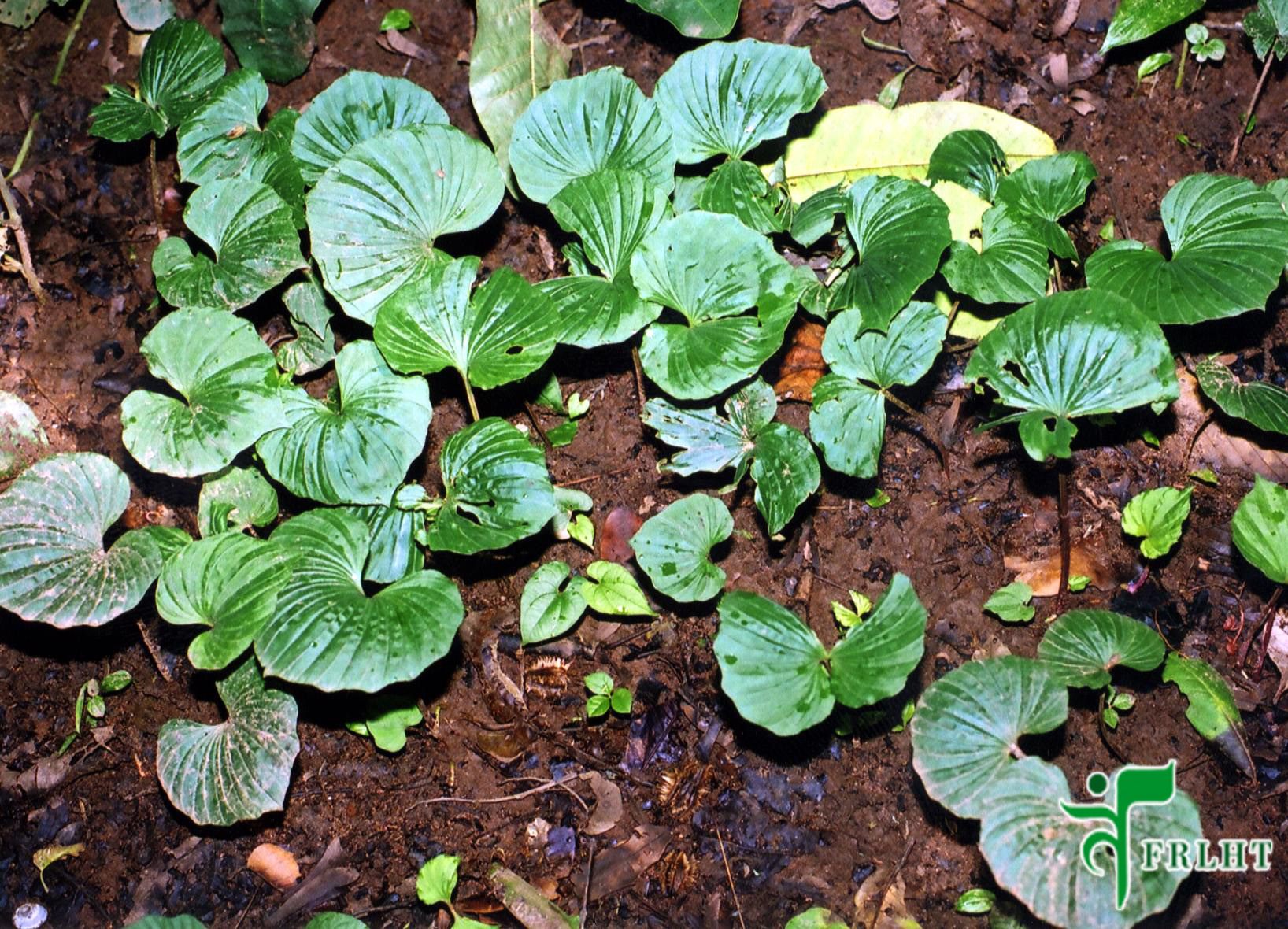
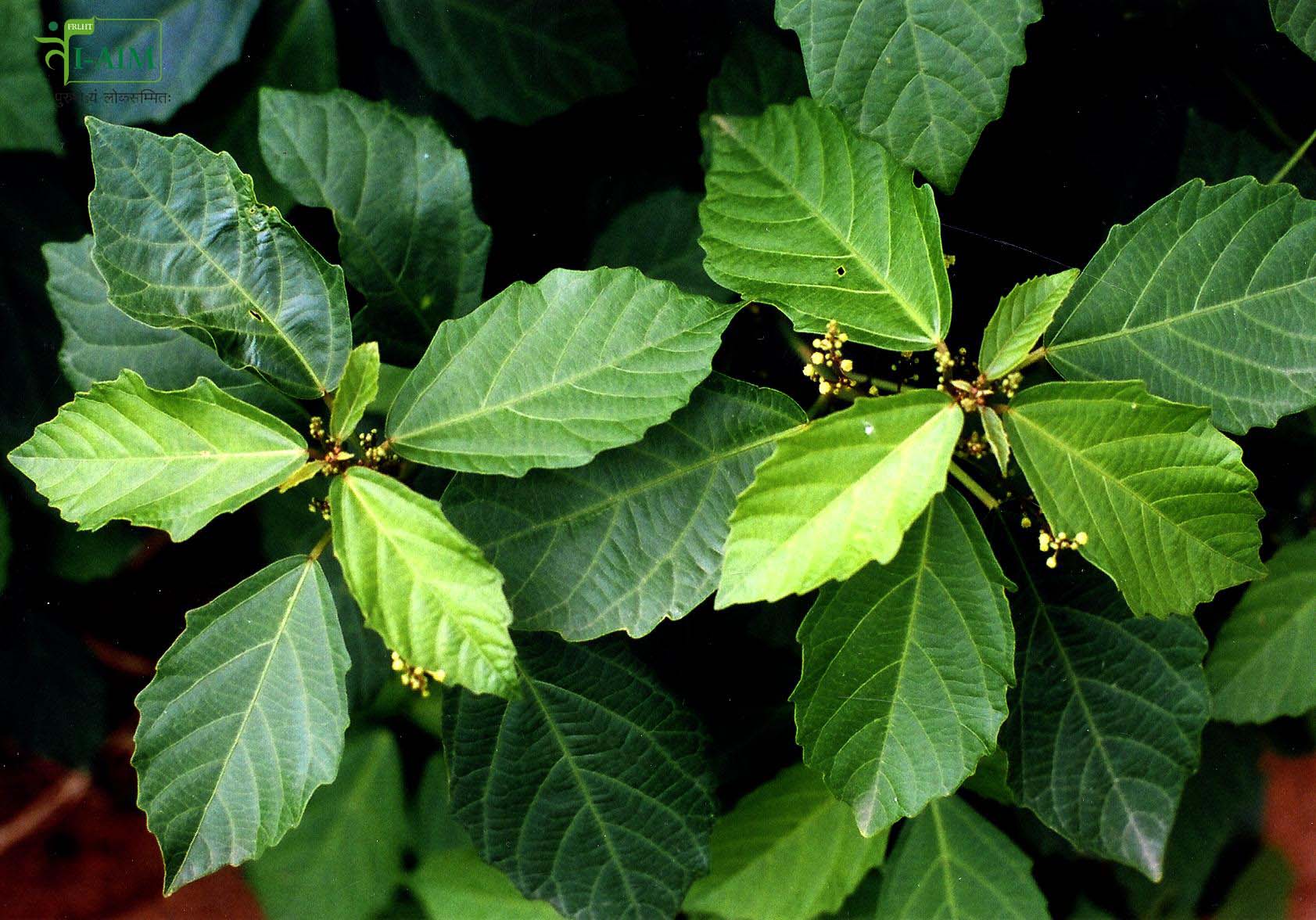
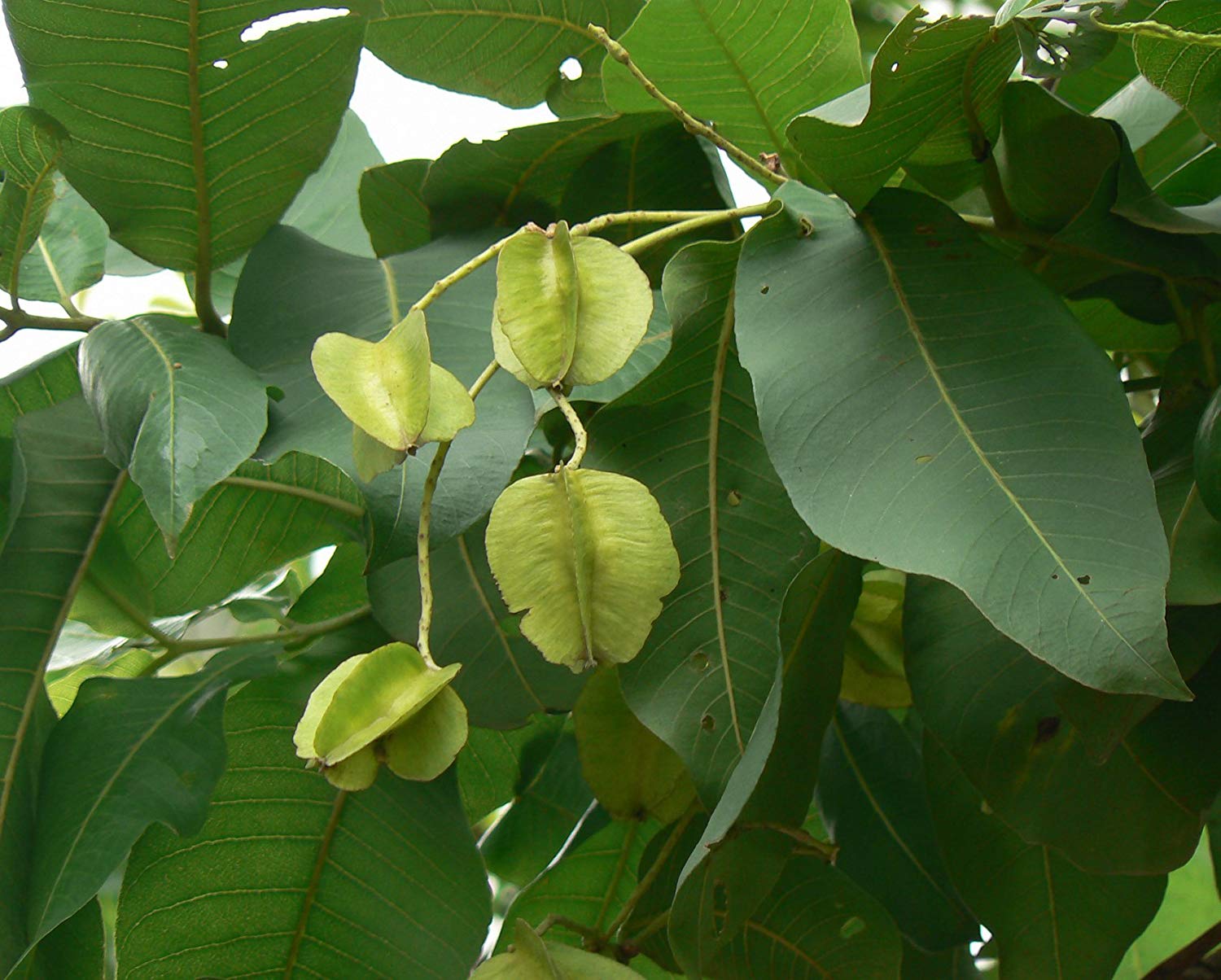
Deciduous trees, to 30 m high; bark 15-20 mm thick, surface grey-black, very rough, deeply vertically fissured, horizontally cracked, forming tessellated, thick flakes; blaze red. Leaves simple, opposite to subopposite, exstipulate; petiole 10-20 mm long, stout, grooved above, glabrous; lamina 13-20 x 5-13 cm, oblong, oblong-ovate, elliptic-oblong or elliptic-ovate; base oblique; apex acute, round, or obtuse, margin entire or crenulate, glabrous, coriaceous, midrib with 2 stalked glands near the base beneath; lateral nerves 10-20 pairs, parallel, prominent, intercostae scalariform, prominent. Flowers bisexual, dull yellow, 2-3 mm across, in terminal and axillary paniculate spikes; peduncle tomentose; bracteoles 1-2 mm long, linear or subulate; calyx tube 1-2× 1-1.8 mm, angled, base pubescent, constricted above the ovary, lobes 5, ovate, yellow, densely villous inside; petals absent; stamens 10 in 2 rows; filaments 4-5 mm; disc 5-lobed, villous; ovary 2.5 mm long, inferior, densely villous, 1-celled; ovules 2 or 3, pendulous; style 4 mm, subulate; stigma small. Fruit a drupe 3.5 x 5.5 cm, longitudinally 5-winged, glabrous; wings equal, thin, pubescent, lines on the wings horizontal, apex round, coriaceous, reddish-brown; seed one.Geographical distribution:
This species is globally distributed in India, Myanmar and Sri Lanka. Within India, it is found in sub-Himalayan tracts upto 1500 m. and dry deciduous forests of Western ghats.- » Classification and names of chagakarna
- » Synonyms and definitions of chagakarna
- » Drug Properties of chagakarna
- » Chemical Constituents of chagakarna
- » Standardization of chagakarna
- » Parts used and Dosage of chagakarna
- » Morphology and Histology of chagakarna
- » Distribution and Conservation of chagakarna
- » Cultivation of chagakarna
- » chagakarna in the market
- » Medicinal Uses of chagakarna
- » Researches and clinical trails of chagakarna
- » chagakarna in other sytems of medicine
- » Ayurvedic formulations with chagakarna
- » Images of chagakarna

Website Administrator
This article is incomplete. If you feel you can make a contribution, please let us know by sending email to mail@ayushvedah.com, we may consider your request. Thank you.